Best Time To Visit Vanuatu
Weather decides which Vanuatu tours run, how rough the sea is and whether the volcano is open to visitors. Here is how the calendar actually behaves, month by month, and what it means for booking.
Short answer
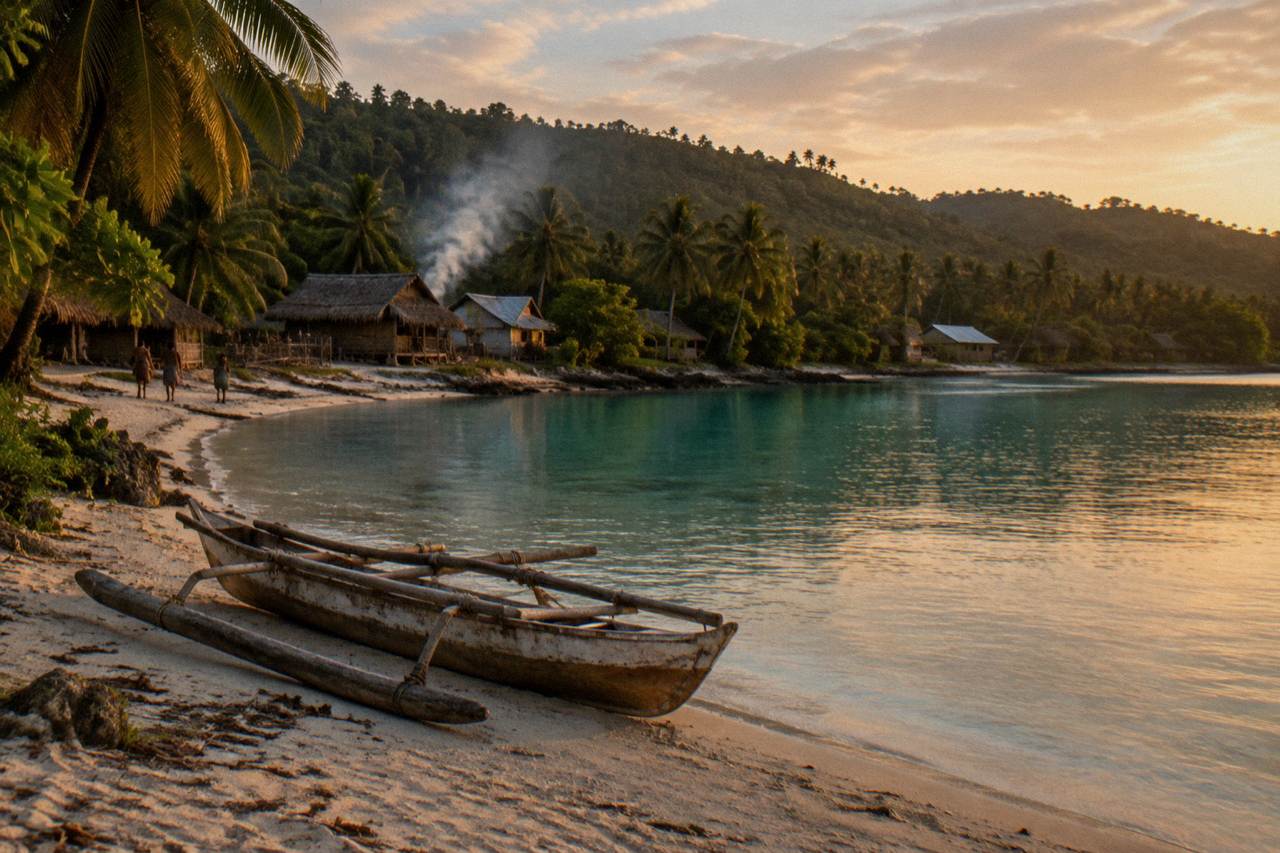
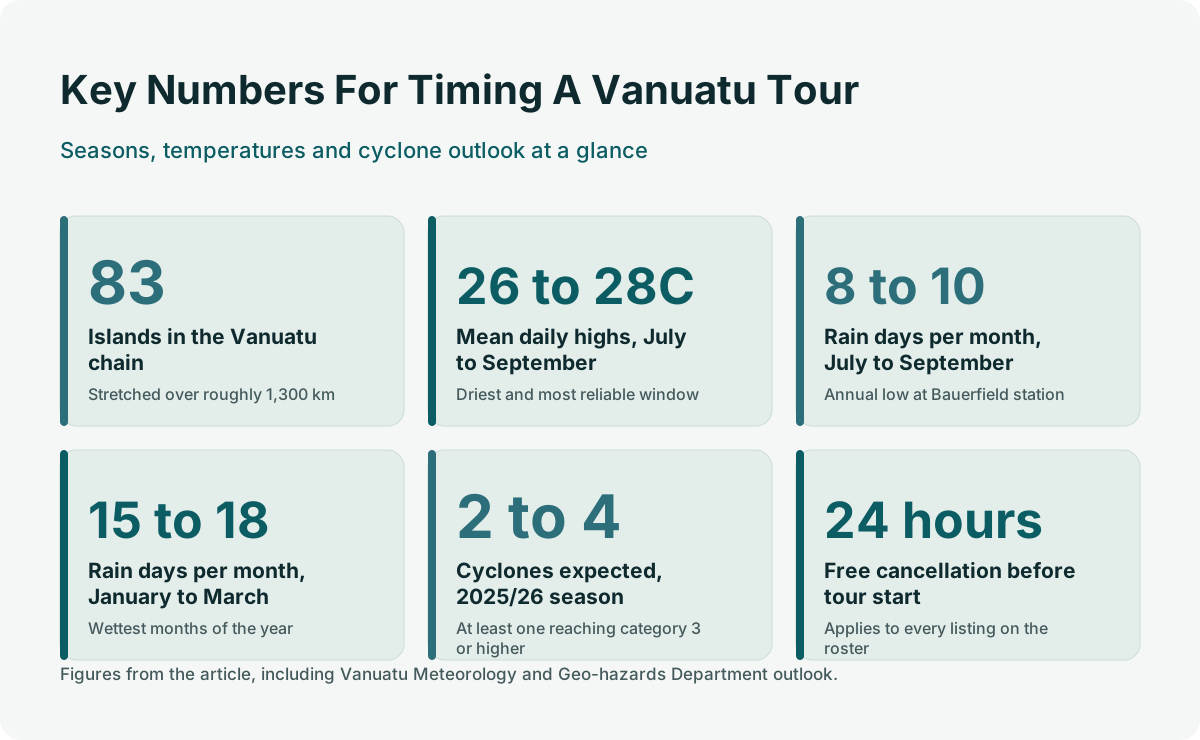
The dry season, May to October, is the best time to visit Vanuatu for day tours: long-term averages show July to September as the driest months, with roughly 23C days. Cyclone season runs November to April, when operators still run tours at their discretion and every roster listing allows free cancellation up to 24 hours before start.
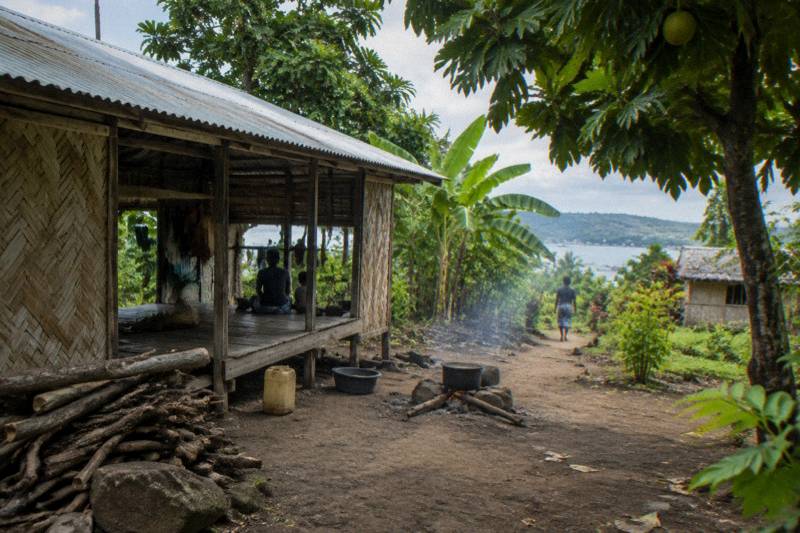
Vanuatu sits in the southwest Pacific, a Y-shaped chain of about 83 islands stretched over roughly 1,300 km, and its calendar is dominated by two things: a warm dry season that cruise lines and tour operators plan around, and a cyclone season that runs from November to April. Timing matters more here than in most island destinations because so much of what visitors come for happens outdoors: sailing and snorkeling days on the water north of Efate, waterfall walks, round-island road trips on the Efate ring road, and guided volcano visits on Tanna. If that cyclone season has you second-guessing your plans, our guide to Vanuatu safety right now covers what official advisories and volcano alerts actually mean for travelers.
The seven-hour Efate full-day tour with lunch, one of the most booked formats on the roster, spends its whole day in the open air, from lookouts to lagoon stops. A wet, humid February afternoon and a crisp July morning are genuinely different products. This guide walks through the seasons as Vanuatu Tourism describes them, the long-term climate record for Port Vila, what cyclone season actually means for tour operations, and how sea and volcano conditions shape the best month for each kind of day tour. Once you've picked your season, the guide to taxi fares and day tour pickup costs in Vanuatu explains how getting to your tour actually gets priced.
What Is The Best Time To Visit Vanuatu For Tours?
The best time to visit Vanuatu for day tours is the dry season, May to October, with July to September the most reliable window: long-term averages for Port Vila show those three months with the lowest rainfall of the year and mean daily highs near 26 to 28C. Sea conditions are calmest in this period, roads are at their driest, and every full-day tour format on the roster runs. Expect the busiest booking window of the year. If you're flexible on dates, our guide to the worst months for Vanuatu travel covers the cyclone season and port-day crowds you'll want to avoid.
Vanuatu Tourism splits the year into two broad seasons: a hotter, wetter, more humid "summer" from November to March averaging about 28C, and a cooler "winter" from April to September averaging about 23C. The shoulder months either side, April to May and October, often deliver the best balance: dry-season reliability without peak-season crowds on the boats and buses.
For tour planning, the practical difference between seasons is not temperature, it is rain, wind and sea state. A round-island tour runs in almost any weather because the bus has a roof and the lunch venue is sheltered. A sailing day cruise with snorkeling, like the Major Tom trip departing Port Havannah on north Efate, depends on trade winds being friendly and the snorkel stops being clear. Waterfall tours such as the three-hour Rarru Cascades trip are actually more dramatic after rain, though the walk to the pools is muddier.
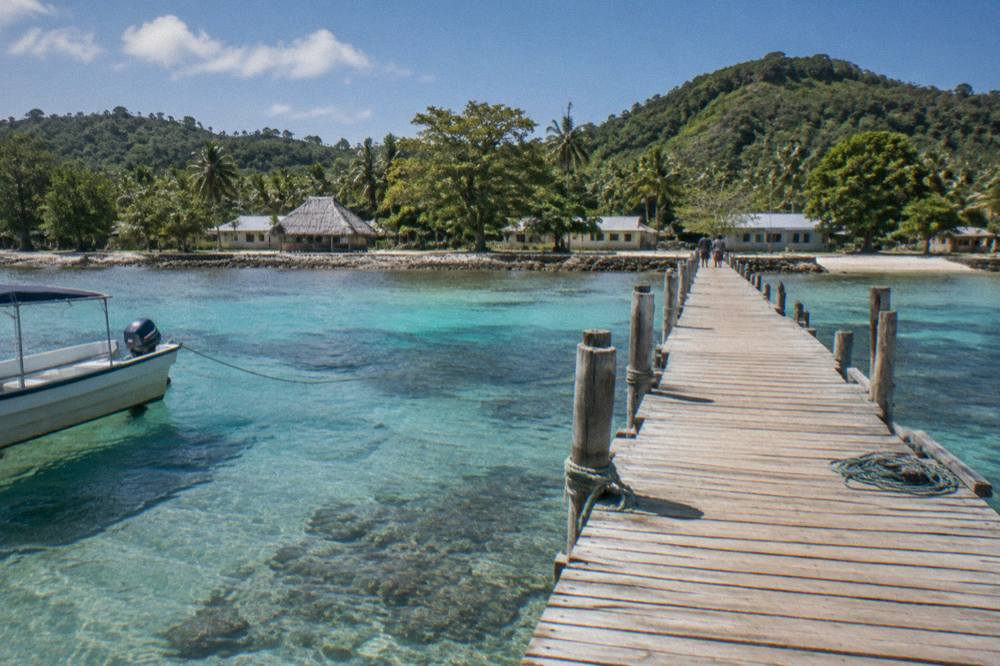
The one planning fact that softens every timing decision: every listing on this site's roster offers free cancellation up to 24 hours before start. A cyclone-season booking is not a locked bet, and dry-season dates can be secured early and adjusted later. For a broader look at what to do with your days once the timing is settled, the things to do in Vanuatu guide covers the full spread of formats across the islands.
When Is Dry Season In Vanuatu?
Dry season in Vanuatu runs roughly May to October, with the driest long-term months July to September: Port Vila's record shows those three months with the lowest rainfall and fewest rain days of the year, while the wettest months, January and March, deliver several times more rain. Days average about 23C, humidity drops, and trade winds keep the sea workable for snorkeling and sailing tours.
The long-term record for Bauerfield station in Port Vila, averaged over 1961 to 1990, shows the shape of the year plainly. Rain builds from October, peaks through January to March with 15 to 18 rain days per month, then falls steadily to a July to September floor of 8 to 10 rain days. Vanuatu Tourism describes April to September as the cooler "winter" period, and that is the window most tour-heavy itineraries target.
| Month | Mean high | Mean low | Rain (mm) | Rain days |
|---|---|---|---|---|
| January | 31.3C | 22.5C | 316.1 | 15.4 |
| February | 31.2C | 23.0C | 273.7 | 16.6 |
| March | 30.8C | 22.6C | 320.9 | 18.5 |
| April | 29.9C | 22.0C | 255.2 | 17.1 |
| May | 28.8C | 20.2C | 210.3 | 12.9 |
| June | 27.4C | 19.8C | 180.0 | 11.3 |
| July | 26.4C | 18.2C | 94.4 | 10.3 |
| August | 27.0C | 18.0C | 87.4 | 9.8 |
| September | 27.7C | 18.4C | 87.3 | 8.1 |
| October | 28.5C | 19.6C | 134.1 | 8.4 |
| November | 29.2C | 20.7C | 192.3 | 12.1 |
| December | 30.7C | 21.7C | 187.2 | 13.2 |
These are long-term averages, not a forecast for any given year, and Vanuatu Tourism's own weather guidance notes the seasons as a general pattern rather than a guarantee. The Vanuatu Tourism weather and seasons page is the reference for the November to March and April to September split.
Two details in that table matter for tour choices. First, October is quietly excellent: rain has not yet rebuilt, rain days sit at their annual low of 8.4, and the sea is still warm. Second, June is wetter than people assume from the word "winter", sitting well above the July to September floor. If your heart is set on maximum sun for a sailing day, July to September is the safer bet than early June.
Dry season is also when the full-day formats earn their keep. The seven-hour Efate island full-day tour with lunch covers a lot of ground, and a clear dry-season day means the lookouts, beach stops and cultural villages along the way are all at their best. The same logic applies to the eight-hour Lelepa Island snorkeling and BBQ trip: dry-season water clarity around the reefs is what that tour is built around.
What Is Cyclone Season In Vanuatu?
Cyclone season in Vanuatu runs November to April, and the Vanuatu Meteorology and Geo-hazards Department's national statement for the 2025/26 season expected 2 to 4 tropical cyclones in the region, at least one reaching category 3 or higher, assessed as normal to slightly above normal against a long-term average of 2 to 3. Tours still run in this window at each operator's discretion.
The season is real but it is not a blanket shutdown. Operators across the roster run a November to April schedule at their own discretion, deciding day by day whether sea state or heavy rain makes a trip unwise, and every listing offers free cancellation up to 24 hours before start. The practical risks for a visitor are a cancelled sailing trip, a rough ferry crossing, or a muddy ring road, not a month of closed doors.
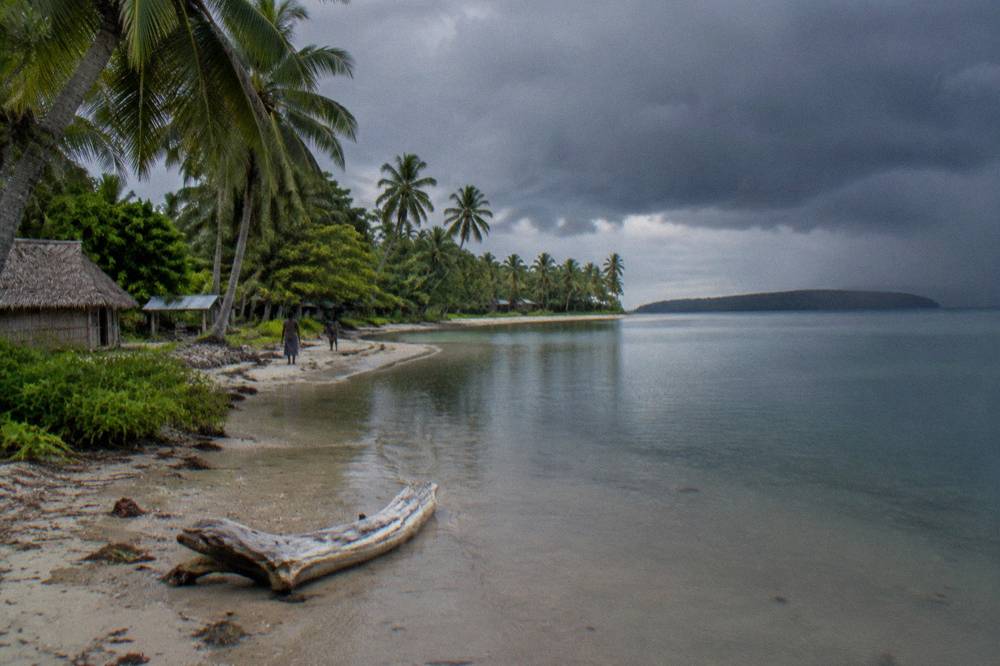
The Vanuatu National Disaster Management Office runs a colour-coded cyclone alert system, and Smartraveller notes that cyclones and tropical storms can occur outside the November to April window. That is worth repeating for timing purposes: the season defines the elevated-risk period, it does not fence the risk inside it. The VMGD seasonal outlook statement is the primary document for how each season is forecast, and the NDMO site carries alert information during the season itself.
| Period | Season character | What it means for day tours |
|---|---|---|
| May to June | Early dry season, rain tapering | Good availability, some wet days, waterfalls strong |
| July to September | Driest and coolest months | Peak reliability for sailing, snorkeling and round-island tours |
| October | Dry, low rain days, warming | Strong shoulder-season value, sea still clear |
| November to December | Cyclone season begins, humidity builds | Tours run at operator discretion, watch forecasts |
| January to March | Wettest months, highest cyclone risk | Waterfall tours dramatic, sea trips most exposed to cancellation |
| April | Late wet season easing | Transitional, variable, fewer crowds |
If you do travel between November and April, build slack into any tour-dependent day. Booking the volcano day, the sailing day and the round-island day back to back with no buffer is the classic mistake: one cancelled morning leaves no room to rebook. The what to do in Vanuatu when it rains guide picks up exactly this scenario, including which tour formats hold up best in wet weather.
Which Month Should You Book Each Vanuatu Tour For?
Match the tour to the season's strengths: sailing and snorkeling tours such as the Major Tom day cruise belong in July to October for calm seas and clear water, round-island and cultural tours run well almost year round, waterfall trips like the three-hour Rarru Cascades tour are at their best from January to April, and Tanna volcano days are best booked in the dry season when access is most stable.
The roster's full-day formats differ in how weather-exposed they are. The 5 to 7 hour Yumi Tours round-island trip with lunch and the 8-hour scenic round-island tour are road-based: rain is an inconvenience, not a cancellation. The half-day Blue Lagoon and Eden on the River trip mixes a freshwater lagoon with riverside gardens, and it benefits from a dry approach if you want the clearest lagoon water. The Hideaway Island escape with its turtle experience and the underwater post office is a marine day, so sea state matters most there.
| Tour format | Duration (approx.) | Best seasonal window | Why |
|---|---|---|---|
| Round-island road tours with lunch | 5 to 8 hours | Year round, best May to October | Road-based, rain tolerant, lookouts better dry |
| Sailing and snorkeling day cruise | 5 to 7 hours | July to October | Calm seas, clear snorkel water |
| Blue Lagoon and river half day | 3 to 4 hours | May to October | Clearest lagoon water in dry months |
| Waterfalls and kava tour | 3 hours | January to April | Falls at full flow after rain |
| Tanna volcano full-day tours | 6 to 11 hours | May to October | Stable access, drier access road |
| Santo blue hole and beach tours | 3.5 to 5.5 hours | May to October | Clear blue holes, calm Champagne Beach |
The seven-hour Efate full-day tour with lunch, rated 4.6 from 46 reviews on its listing, is the roster's timing workhorse: it runs through the year and its stops are chosen to work in varied weather. Its listing states hotel pickup in Port Vila and free cancellation up to 24 hours before start, which makes it an easy first booking to lock in for any month. You can see the full stop list and current pricing on the Efate full-day tour page.
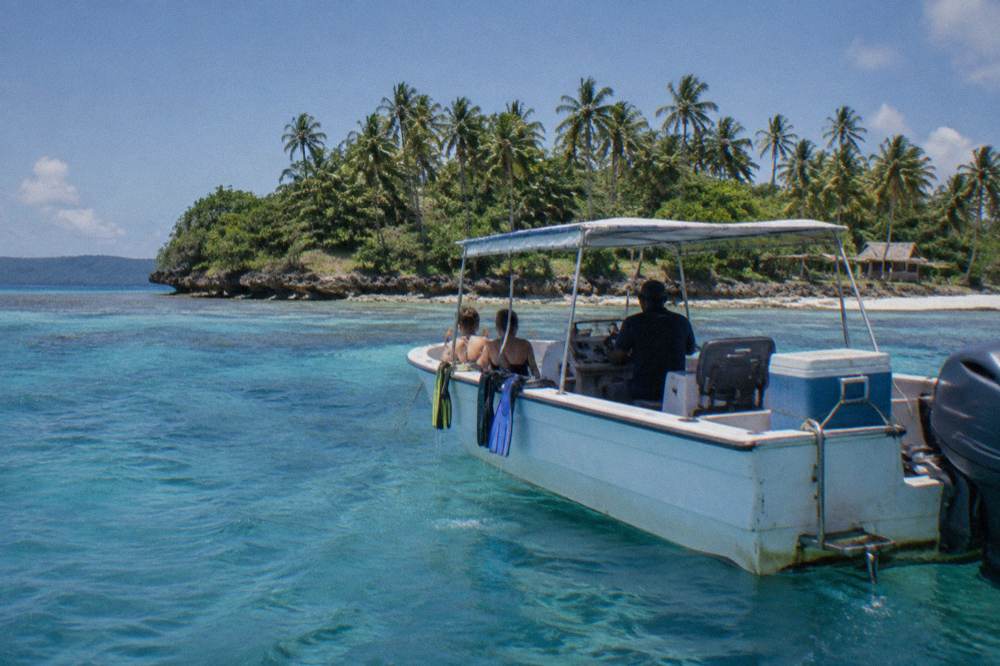
For the water-based formats, the calculus is different. The Major Tom sailing day cruise, rated 4.9 from 230 reviews, departs Port Havannah on north Efate with hotel transfers from Port Vila included, and a guest review describes "loads of fun, great snorkeling spots, plenty of delicious food and great adventures sailing". Those snorkeling spots are what dry season protects: heavy rain stirs up coastal water and trade winds freshen through the wet months.
How Does The Wet Season Change Tour Conditions In Vanuatu?
The wet season, November to March, brings the year's heaviest monthly rainfall in Port Vila on long-term averages, higher humidity near 28C days, and the highest cyclone risk of the year. Tours still run, but expect muddy walking tracks, turbid lagoon water, occasional cancellations for sea trips, and greener, more dramatic landscapes than the dry season shows.
There is an honest case for visiting in the wet months, and it is not just price. Waterfall tours are the standout winner. The Rarru Cascades, Waterfall and Kava tour, rated 5.0 from 53 reviews, spends three hours at falls and pools that are at their most impressive when the catchments are full. A guest review of that tour highlights the guide's storytelling on Vanuatu's history, kava and tribal life, which is the part of the experience that no weather can touch.
The trade-offs are equally real. The ring road around Efate has been under rehabilitation since works commenced in April 2025, and a medium-risk alert was issued in late December 2025 for the Klems Hill section after a landslide, with monitoring ongoing. Wet-season rain is exactly what stresses sections like that, so round-island tours in the wet months should allow extra time, as the road works and repairs continue. Lagoon clarity drops after sustained rain, and the marine days, Hideaway Island, Lelepa, Moso, feel the effect first.
Practical wet-season rules that cost nothing:
- Book sea-dependent tours early in your stay, not on your last day, so a cancellation can be rebooked.
- Keep the 24-hour free cancellation window in mind: every roster listing offers it, so a bad forecast is a reason to move a booking, not lose it.
- Prefer road-based and cultural formats, the round-island tours, the Port Vila food tour with cultural lunch and kava tasting, on the days the forecast looks worst.
- Carry vatu in the wet months as well as the dry: many markets and small shops are cash only year round.
The seven-hour Turtles, Blue Lagoon, River and Island Culture tour is a hybrid worth noting here: its culture and river components carry the day when the lagoon is stirred up, which is why it holds up in shoulder months better than a pure snorkeling trip.
What Are Sea Conditions Like For Snorkeling Around Efate?
Efate's sheltered north coast and lagoon sites are snorkelable year round, but the clearest, calmest water runs in the dry season, July to October, when trade winds are steady and rain runoff is minimal. The exposed snorkel stops on sailing trips are the ones most affected by wind and swell; lagoon and marine sanctuary sites tolerate the wet months far better.
The geography does a lot of the work. Port Havannah, where the Major Tom cruise starts, sits on Efate's leeward north coast, which is why that trip can run through much of the year. Hideaway Island's marine sanctuary, with its underwater post office, sits inside a sheltered bay a short hop from Port Vila. A guest review of the Hideaway Island, Blue Lagoon and turtle experience notes "lots of fish and the underwater post office to see", plus snorkeling gear available to hire on the island, all of which depends on the bay staying calm.
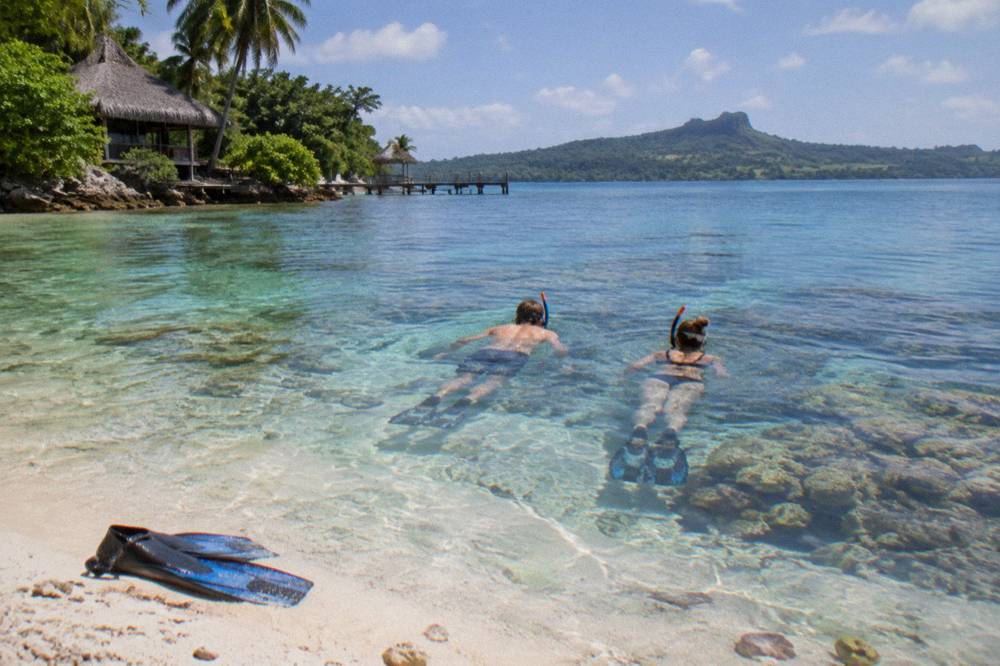
Longer trips reach further from shelter. The 10-hour Nguna Island hike and snorkeling adventure, rated 5.0 from 28 reviews, crosses open water to Nguna, and the 8-hour Lelepa and Moso Island trips both spend part of the day outside the bay. Those are the formats where a dry-season booking genuinely changes the product: the crossing is smoother, the reef visibility is better, and the operator's discretion to run is exercised in your favour more often.
| Marine tour | Departure point | Shelter level | Wet-season exposure |
|---|---|---|---|
| Hideaway Island escape | Port Vila cruise wharf | Sheltered bay | Low, sea state rarely stops it |
| Sailing day cruise | Port Havannah, north Efate | Leeward coast | Moderate, wind dependent |
| Lelepa Island snorkel and BBQ | Port Vila | Partly exposed crossing | Moderate |
| Moso Island snorkel and culture | Port Vila | Partly exposed crossing | Moderate |
| Nguna Island hike and snorkel | Port Vila or hotel pickup | Open crossing | Highest, most weather sensitive |
Turtles deserve a plain-worded note here: the tours visit habitat and sanctuary waters, the animals are wild, and no listing promises a sighting in any month. What the dry season does promise is better water clarity for whatever does swim past.
When Is The Best Time To See Mount Yasur On Tanna?
The best months for a Mount Yasur volcano tour are May to October, when Tanna's dry season keeps the access road and viewing conditions most stable, but access is governed by the VMGD alert level, not the calendar: VMGD currently lists Yasur at Alert Level 2, Major Unrest, on a scale of 0 to 5, and visits are with licensed guides, with access able to close as activity rises.
Timing a volcano day has two layers. The seasonal layer is straightforward: dry season means a drier access track, fewer clouded evenings and more predictable logistics for the 6 to 11 hour full-day tours that pair the Blue Cave with the volcano, or the roughly 7-hour afternoon tour from Tanna hotels. The alert-level layer matters more. Alert Level 2, Major Unrest, means hazardous activity is possible, including explosions that can eject material beyond the crater, and the Vanuatu Tourism volcano guidance states that access is managed locally and can close as activity rises. No tour can promise eruption activity, lava or any particular display on any given day; what the tours provide is guided access to the rim when conditions allow it.
The VMGD Yasur page is the authoritative source for the current level, and checking it before you book is the single most useful piece of volcano planning. A Level 3 alert triggers advice to avoid the summit and nearby areas, so the level genuinely can close the experience, independent of season.
For the full-day format, the private Mt. Yasur tour including the Blue Cave, rated 4.5 from 8 reviews on its listing, runs 6 to 11 hours with lunch listed and departs from Tanna. The afternoon-only tour, rated 4.9 from 8 reviews, takes about 7 hours from Tanna hotels. Both are small-review-pool listings, so treat the ratings as a signal from a handful of guests rather than a broad verdict. A guest review of the afternoon tour describes "great 4WD up the hill, then you walk right on the rim of the volcano", which captures the format honestly.
Getting to Tanna is its own timing decision: flights from Port Vila take about 40 minutes, and the two volcano listings on the roster depart from Tanna hotels, not from Port Vila. That makes a volcano day a two-day commitment from an Efate base, and the dry season is when that commitment is least likely to be disrupted. The Tanna volcano tour guide covers the island logistics in full.
How Far Ahead Should You Book Day Tours In Vanuatu?
Book dry-season tours, especially July to September, two to four weeks ahead, because full-day formats with lunch and the sailing cruise fill first; wet-season tours can often be booked days ahead, though volcano days on Tanna still need lead time for flights and hotels. Every roster listing offers free cancellation up to 24 hours before start, so early booking carries little risk in any month.
The booking-curve logic is simple. The dry season concentrates demand into the same reliable weeks that cruise calls and school-holiday travel hit, and the roster's most capacity-constrained formats are the small-group ones: the Lelepa and Moso Island day trips both run as small-group tours of about 8 hours, and a sailing catamaran has a fixed passenger count. The round-island bus tours carry more people per departure and are usually the last to sell out.
| Booking window | Dry season (May to Oct) | Cyclone season (Nov to Apr) |
|---|---|---|
| 2 to 4 weeks ahead | Recommended for sailing and small-group tours | Rarely needed except Tanna volcano days |
| 1 week ahead | Usually fine for round-island tours | Fine for nearly all formats |
| 1 to 3 days ahead | Possible, risk of sell-outs on peak dates | Generally available, weather dependent |
| Same day | Not advised in July to September | Sometimes possible, check the listing |
Two planning notes round this out. First, advice pages currently note a dengue outbreak in south Efate and a pertussis outbreak declared on several islands including Tanna, so check current health advice before you travel, in any season; Smartraveller's Vanuatu page carries the standing guidance, which is to exercise normal safety precautions. Second, entry is straightforward for the main visitor nationalities: citizens of Australia, New Zealand, the UK and the US do not need a visitor visa in advance per Vanuatu Immigration, but carry a passport valid 6 months, a return ticket and accommodation details, and check immigration.gov.vu before you fly (see Aussie Visa For Vanuatu).
Common Questions About The Best Time To Visit Vanuatu
What is the best time to visit Vanuatu?
The dry season, May to October, is the best time to visit Vanuatu for day tours, with July to September the driest months on Port Vila's long-term record. Sea conditions are calmest then, and every tour format on the roster runs.
When is cyclone season in Vanuatu?
Cyclone season runs November to April. The VMGD seasonal statement for 2025/26 expected 2 to 4 cyclones in the region, assessed as normal to slightly above normal. Tours still run in this window at each operator's discretion, and every roster listing offers free cancellation up to 24 hours before start.
Is Vanuatu worth visiting in the wet season?
Yes, for the right tours. Waterfall trips such as the three-hour Rarru Cascades tour are at their most impressive when catchments are full, road-based round-island tours run in almost any weather, and cultural formats like the Port Vila food tour with kava tasting are largely weatherproof. Marine trips face the most cancellations.
What is the driest month in Port Vila?
On long-term averages from 1961 to 1990, September is the driest month, with 8.1 rain days and the lowest monthly rainfall in the record, with August and July close behind. October has the fewest rain days at 8.4 and is a strong shoulder-season pick.
Does weather affect the Mount Yasur volcano tour?
Access depends on the VMGD alert level more than the season: VMGD currently lists Yasur at Alert Level 2, Major Unrest, and access can close as activity rises. Dry season, May to October, simply gives the most stable road and viewing conditions for the guided visits.
How far ahead should I book Vanuatu tours for dry season?
Two to four weeks ahead for July to September, especially for the sailing day cruise and small-group island trips, which have fixed capacity. Round-island bus tours carry more passengers per departure and usually have later availability.
Whatever month you choose, the pattern holds: Vanuatu Day Tours lists every operator with its duration, departure point, rating and review count printed plainly, so you can match a tour to the season you will actually be standing in, and adjust with free cancellation up to 24 hours before start if the forecast turns.