What To Do In Vanuatu When It Rains
Rain in Vanuatu rarely ruins a trip. This guide covers which Port Vila tours still run in wet weather, what the rain averages look like, market and indoor options, and when rain becomes a cyclone concern.
What To Do In Vanuatu When It Rains
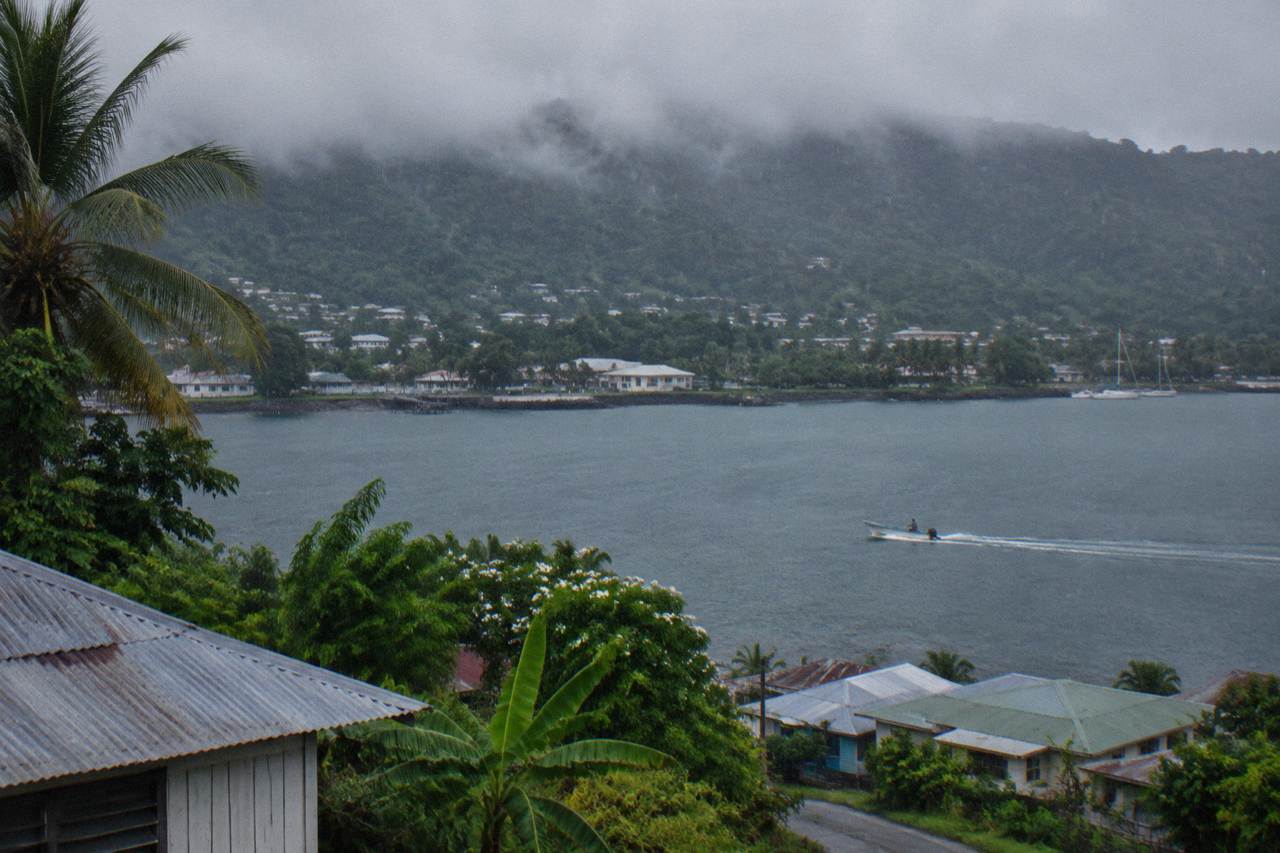
Rain in Vanuatu rarely cancels the day. Most visitors shift to the covered market halls, a small-group food and kava tasting tour through Port Vila, a bus-based round-island trip, or a three-hour waterfall excursion that rain makes fuller and louder. Tours genuinely pause only when a cyclone alert or unsafe road conditions apply, which is uncommon.
The first instinct of many travellers on a grey morning is to write the day off. That instinct is usually wrong here. Vanuatu's rain tends to arrive in heavy, short bursts rather than all-day drizzle, and the island landscape is built for water: waterfalls swell, the jungle goes a deeper green, and the humidity that builds before a downpour breaks into cooler air afterwards. The Vanuatu Tourism weather page describes a hot, wet "summer" from November to March averaging about 28C and a cooler, drier "winter" from April to September averaging about 23C, so a rainy day in the wet season is often still a warm one.
The practical answer to a rainy morning is to pick activities where the roof matters less. A seven-hour small-group food tour with cultural lunch and kava tasting spends its time moving between eateries, market stalls and covered spaces, with lunch listed as included on the listing. A bus-based scenic round-island tour keeps you under a roof between photo stops. Waterfall trips are the one category where rain genuinely helps, and the three-hour Rarru Cascades excursion pairs the falls with a kava session and a guide whose storytelling carries the day regardless of sky.
There is also a simple hierarchy worth keeping in mind. Light rain changes almost nothing; operators run, roads stay open, and you get wet skin. Sustained heavy rain changes your route choices, especially on Efate's ring road where works and repairs continue and a medium-risk alert was published for the Klems Hill section after a landslide, so allow extra time. A cyclone alert changes everything, and that is the only scenario where the answer becomes "stay put and follow local advice". Everything in between is a planning question, not a cancellation.
For a fuller picture of dry-weather options to balance the week, the things to do in Port Vila guide covers the full roster, and the planning pages on Vanuatu Day Tours group every listing by island and style.
Which Vanuatu Tours Still Run In The Rain?
Most listed tours in and around Port Vila run in light to moderate rain, and several are arguably better for it. Bus-based sightseeing, food and culture tours, zipline canopy runs and waterfall trips all operate in wet weather, with free cancellation up to 24 hours before start on every roster listing. Only electrical storms, cyclone alerts or road closures stop them, and operators make those calls on the day.
The pattern across the roster is that the tours built around vehicles and covered spaces are the reliable wet-day picks. The Full-Day Scenic Tour around the Island from Port Vila runs roughly eight hours from the Lapetasi International Wharf with lunch listed and pickup included, and it holds a 4.5 rating from 177 reviews. Because the format is a guided loop with stops at major sites, rain shortens the time outside at each stop without breaking the day. One guest review calls it "a great introduction to the main island of Vanuatu", noting that "all the major sites were seen" and the guides were "on time and knowledgeable", which is exactly the combination you want when the weather is doing its own thing.
The Port Vila Full Day Tour, Experience the Real Vanuatu, works the same way: roughly six hours from the cruise wharf, lunch listed, a 4.5 rating from 181 reviews, and a mix of bus travel with lagoon and sanctuary stops. A reviewer describes a day where "everything went like clockwork", with "no real crowds", which is a fair description of what a rainy weekday in Port Vila feels like generally. The Vanuatu Jungle Zipline with Transfers is another wet-day candidate, roughly four and a half hours with transfers from a downtown Port Vila meeting point and a 4.8 rating from 201 reviews; a family reviewer wrote that "the biggest regret you will have is not booking this tour". Operators make the final call on storms, but ordinary rain rarely stops a canopy run.
| Tour | Style | Duration | Guest rating | Why it suits a wet day |
|---|---|---|---|---|
| Port Vila Food Tour with Cultural Lunch & Kava Tasting | Small-group food and culture | 7 hours | 5.0 from 5 reviews | Moves between covered eateries and markets; lunch and kava included |
| Rarru Cascades, Waterfall & Kava | Waterfall walk and culture | 3 hours | 5.0 from 53 reviews | Rain feeds the falls; kava session under cover |
| Full-Day Scenic Tour around the Island | Bus-based sightseeing | 8 hours | 4.5 from 177 reviews | Travel under a roof between stops; lunch listed |
| Vanuatu Jungle Zipline with Transfers | Canopy adventure | 4 hours 30 minutes | 4.8 from 201 reviews | Transfers included; gear and guides handle the elements |
| Port Vila Full Day Tour, Experience the Real Vanuatu | Bus and lagoon combo | 6 hours | 4.5 from 181 reviews | Mostly bus time; swim stops are optional |
One honest note on that table: the food tour's 5.0 rating comes from only 5 reviews, a small pool so far, so read the comments rather than trusting the number alone. The scenic and zipline listings, at 177 and 201 reviews, give a much broader base.
Do Waterfall Trips Work On A Wet Day In Vanuatu?
Yes, and they are often better. The three-hour Rarru Cascades, Waterfall & Kava trip runs from Efate with hotel pickup, and a 5.0 rating from 53 reviews. Rain swells the cascades and deepens the river pools, and the kava session and guide storytelling give the trip a covered spine when the sky opens.
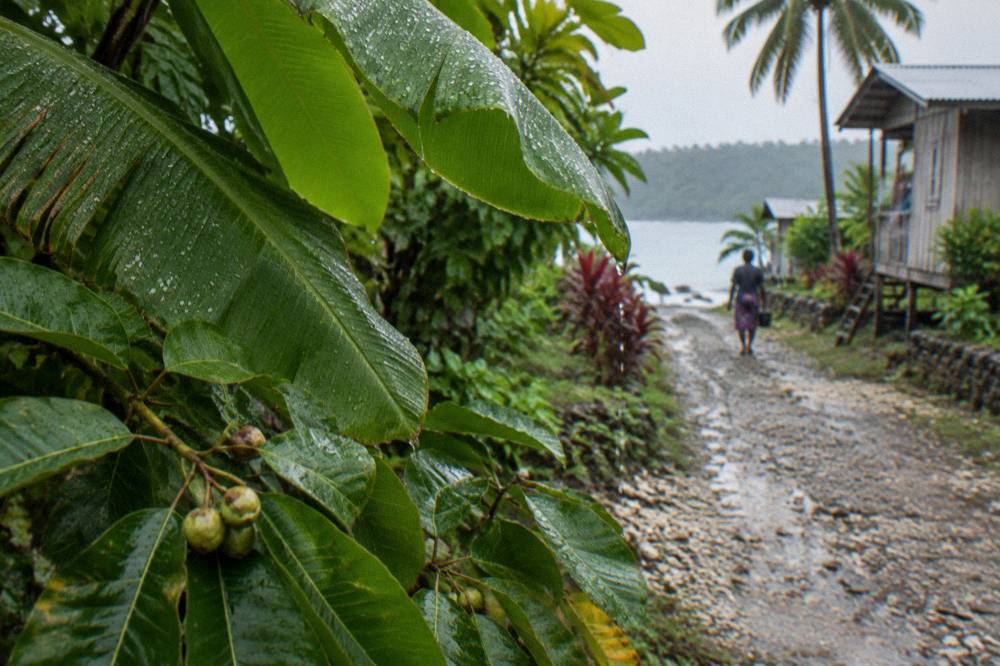
Waterfall logic in the tropics is the reverse of beach logic. A downpour before a beach day is a loss; a downpour before a waterfall day is a bonus. The falls get volume, the rock faces shine, and the forest tracks, muddy as they can be, feel like the point rather than an obstacle. A guest on the Rarru Cascades trip put it well: "Although we weren't swimming the scenery was awesome." The same review credits the guide, Barbara, with doing "a great job of telling history of Vanuatu, Kava, tribal life", which is the kind of content that carries a trip regardless of weather.
The practical cautions are about footing and roads, not the tour itself. Wet tracks around falls are slippery, so closed shoes with grip beat thongs, and a light rain jacket does more for you than an umbrella, which the wind usually wins. On the drive out, remember that Efate's ring road carries ongoing repair works and the Klems Hill section has had a published medium-risk alert, so a wet-day waterfall trip deserves a slightly earlier start and a relaxed schedule. The operator handles pickup, either from your hotel or from the Rarru Cascades area, and free cancellation up to 24 hours before start means a genuine change in the forecast does not cost you the booking.
If the rain settles in for the whole day rather than passing through, the half-day Blue Lagoon and Eden on the River trip is a shorter fallback at three to four hours, with a 4.5 rating from 127 reviews, though the listing does not state a meal. For a full picture of lagoon days in both weathers, the Blue Lagoon Port Vila guide goes deeper on what to expect.
How Much Rain Does Port Vila Actually Get?
Port Vila's long-term averages, measured at the Bauerfield station over 1961 to 1990, show a clear split: the wettest months, January through March, each average well over 250mm of rain, while the driest months, August and September, average under 100mm. The full monthly figures are tabulated below, and they show that even the dry season sees rain most weeks.
Those numbers matter because they reframe what a "rainy season" trip actually looks like. The monthly pattern splits the year cleanly: the November to March stretch is the wet half, with double-digit rain-day counts every month, while June through September is the dry half, with the lowest rain-day counts of the year. Even in March, the wettest month on the long-term record, more than a third of the days register no meaningful rain at all, and tropical rain often arrives in a single heavy hour rather than a grey blanket. The best time to visit Vanuatu guide works through the full seasonal trade-offs for anyone still choosing dates.
| Month | Mean rain (mm) | Rain days (1mm or more) | Mean high (C) |
|---|---|---|---|
| January | 316.1 | 15.4 | 31.3 |
| February | 273.7 | 16.6 | 31.2 |
| March | 320.9 | 18.5 | 30.8 |
| April | 255.2 | 17.1 | 29.9 |
| May | 210.3 | 12.9 | 28.8 |
| June | 180.0 | 11.3 | 27.4 |
| July | 94.4 | 10.3 | 26.4 |
| August | 87.4 | 9.8 | 27.0 |
| September | 87.3 | 8.1 | 27.7 |
| October | 134.1 | 8.4 | 28.5 |
| November | 192.3 | 12.1 | 29.2 |
| December | 187.2 | 13.2 | 30.7 |
These are long-term averages, not a forecast for any given year, and the Vanuatu Tourism weather page is the right place to check the seasonal framing before you travel. The takeaway for planning is simple: a trip in the dry months still packs a light rain layer, and a trip in the wet months still expects usable hours most days.
Rain-Friendly Things To Do Around Port Vila Without A Tour
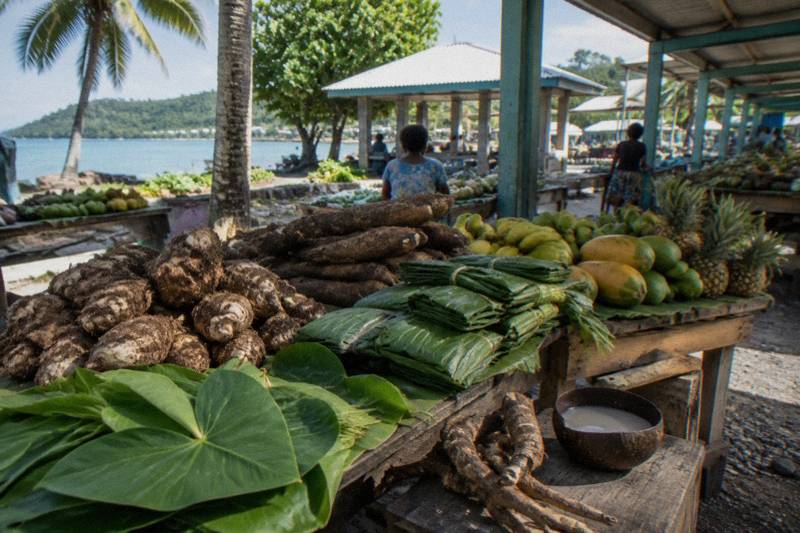
Port Vila's covered options carry a wet day on their own: the main produce markets open every day except Sunday, two central handicraft markets keep craft shopping dry, cafes and kava bars line the waterfront, and the free things to do in Port Vila guide lists walks and beaches for the gaps between showers.
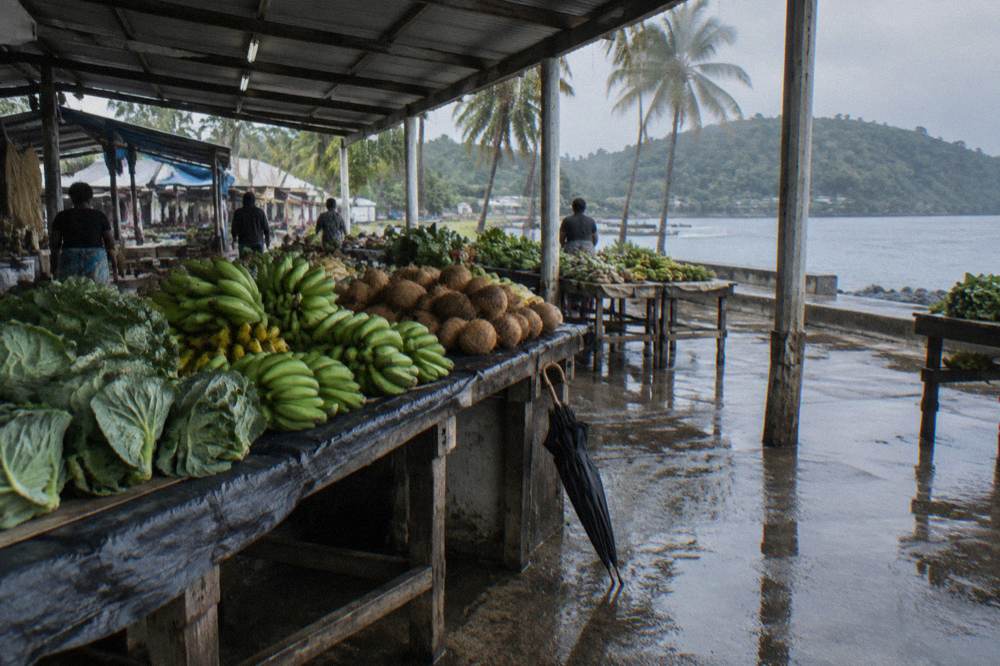
The market hall is the anchor. Vanuatu Tourism's markets page notes that the main covered markets open every day except Sunday, with mornings recommended for the freshest produce, and that smaller roadside stands operate as well. On a rainy morning the hall is at its best: vendors under the roof, root crops and fruit stacked high, and the atmosphere no worse for the weather outside. Behind Independence Park, Port Vila Community Handicrafts, and on the seafront, Haos Blong Handikraft, are the two central spots for locally made items, both indoors by design. Neither costs anything to enter, and both beat a hotel room for a couple of hours.
The food and kava angle deserves a special mention, because it is the one category of Vanuatu day that rain improves almost by design. The Port Vila food and kava tasting tour runs seven hours with a cultural lunch and kava tasting listed as included, moving between covered and indoor stops rather than exposing you to the sky. With a 5.0 rating from 5 reviews so far, it is a young listing with a small review pool, but the format itself is the argument: eating, drinking and listening to stories are the most weatherproof activities a town can offer. Kava, Vanuatu's national drink, is traditionally an evening and indoor affair, and a rainy afternoon shortens the distance to that tradition nicely.
For cruise visitors, the port adds one wrinkle worth knowing. Reporting from the Vanuatu Business Tourism Council says tendering has been running from a temporary seafront tender point since the December 2024 earthquake damaged the main wharf, with a cruise traffic management plan applying since visits resumed, so a rainy port day can involve a longer, wetter transfer between ship and shore than usual. No hop-on hop-off bus or dedicated cruise shuttle was identified in current sources, so a wet day ashore is best planned around a booked tour with pickup or a short walk to the market area. The Port Vila shore excursions guide covers the port-day decisions in full.
What Should You Pack For Rain In Vanuatu?
Pack a light rain jacket or cheap poncho, shoes with grip, a dry bag for phones and documents, repellent and a spare change of clothes in your day bag. Umbrellas struggle in tropical wind, and thongs fail on wet tracks, so jacket plus grippy shoes is the working combination for a rainy Vanuatu day.
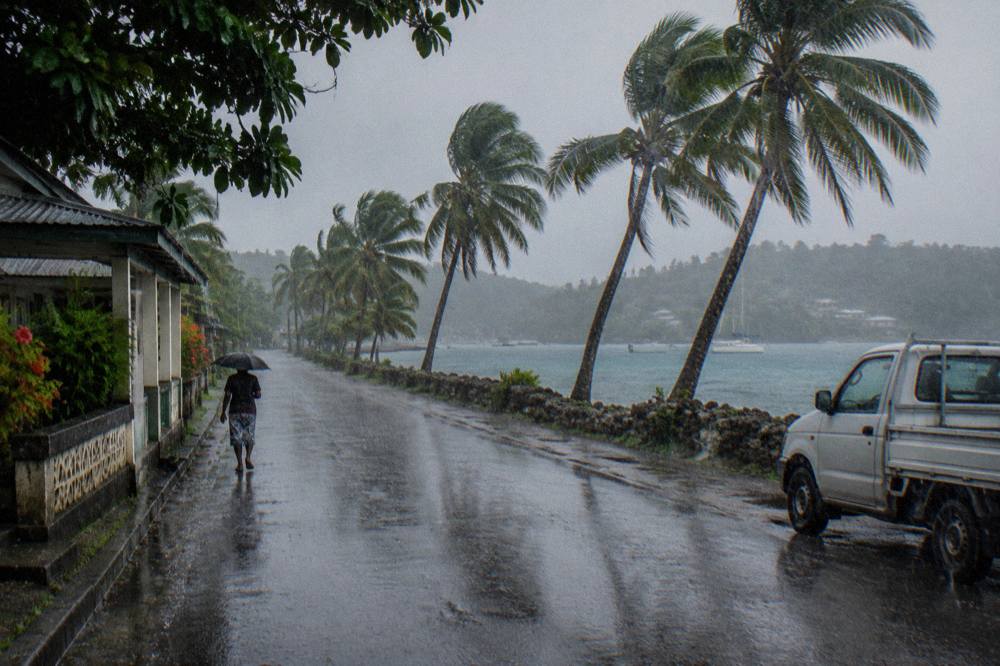
The jacket over the umbrella point is not style advice; it is physics. Tropical rain in Port Vila frequently arrives with gusts that turn umbrellas inside out, and the rain is warm enough that a soaked shirt dries in minutes once the shower passes. A packable rain jacket handles the transit between stops, and a poncho from a local shop does the same job for less. Footwear matters more: waterfall tracks, market floors and waterfront boardwalks all get slick, and the difference between a gripped shoe and a flat-soled thong is the difference between a detour and a fall.
A dry bag or zip-lock for the phone matters on boat-based days as much as walking ones. The Major Tom sailing day cruise with snorkeling and lunch, a 4.9 from 230 reviews, and the Hideaway Island, Blue Lagoon and turtle experience, a 4.3 from 94 reviews, both involve small-boat transfers where spray and showers can find your bag even on a fine day. Reef-safe sunscreen still travels with you, because the sun returns fast and UV cuts through cloud. Repellent belongs in the kit year-round; advice pages currently note dengue outbreaks in parts of Vanuatu, so covering up in the evenings and using repellent is standard practice rather than paranoia.
None of this needs to be expensive or specialised. The honest packing list for a wet Vanuatu day is short, and every item on it earns its place more than once on a normal trip.
Does Rain In Vanuatu Mean Cyclones?
No, ordinary rain is not a cyclone signal, but the wet season from November to April is also cyclone season, and the two share a calendar. The Vanuatu Meteorology and Geo-Hazards Department tracks every system, a national statement for the 2025/26 season expected 2 to 4 cyclones in the region, and tours pause only when an actual alert or unsafe conditions apply.
The distinction matters for planning. A rainy day in, say, February is statistically normal and operationally boring: tours run, markets open, the waterfall is louder. A tropical cyclone is a different event entirely, tracked days in advance by VMGD and communicated through Vanuatu's colour-coded alert system run by the National Disaster Management Office. Travellers do not need to interpret the weather themselves; they need to know where the official information lives. The VMGD cyclone season outlook shows how the department frames the season ahead, and its live bulletins carry the current picture.
For day-to-day safety, the foreign advice pages are the reference. Smartraveller advises normal safety precautions for Vanuatu overall, as does New Zealand SafeTravel, both noting health outbreaks and ordinary crime precautions rather than any weather-related warning beyond standard cyclone awareness. The practical rules for a visitor are few: book tours with free cancellation, which every listing on this roster offers up to 24 hours before start, keep an eye on official alerts if travelling between November and April, and treat a cyclone watch as a change of plans rather than a debate.
The volcano question sometimes rides along with the weather one, because Tanna's Mt Yasur sits in the same conversation about conditions. VMGD currently lists Yasur at Alert Level 2, Major Unrest, on a scale of 0 to 5, with access managed locally through licensed guides and able to close as activity rises; rain plays no role in that decision. The is it safe to visit Mount Yasur guide handles that topic properly, including the Tanna volcano tour options for anyone combining both islands.
The Short Version For A Wet Week
A rainy day in Vanuatu is a routing problem with short routes, and the order rarely changes: covered markets and handicraft shops for the morning, a food and kava tasting tour or a bus loop with lunch for midday, waterfalls for a long, wet afternoon, and kava bars and restaurants for the evening, which are dry by default. Book listings with free cancellation up to 24 hours before start, and read the review count beside any rating you lean on.
Morning rain belongs to the covered market hall, the handicraft shops and a long coffee on the waterfront. Midday rain belongs to the food and kava tasting tour, which was built for roofs, or to a bus loop around Efate with lunch included. Afternoon rain, if it has been falling for hours, belongs to the waterfalls, which will be showing off. Evenings are dry by default, because kava bars and restaurants are the point of a Port Vila night regardless of sky.
The one booking habit that makes all of this painless is choosing listings with free cancellation up to 24 hours before start, which is the standard across this roster. A 4.5 from 177 reviews is a broad base; a 5.0 from 5 reviews is a promising start, not a verdict. The listings that survive a wet week are the ones built around vehicles, food, culture and water in that order, and Vanuatu has plenty of each.
Common Questions About Rainy Days In Vanuatu
What To Do In Vanuatu When It Rains?
Shift to covered and vehicle-based activities: the Port Vila produce markets, the two central handicraft markets, a small-group food and kava tasting tour, a bus-based round-island scenic trip, or a waterfall excursion that rain improves. Tours run in light to moderate rain and pause only for cyclone alerts or unsafe road conditions.
Do Vanuatu tours still run when it rains?
Yes, in light to moderate rain. Bus-based sightseeing, food and culture tours, zipline runs and waterfall trips all operate in wet weather, and every listing on this roster offers free cancellation up to 24 hours before start. Operators make the final call for electrical storms, cyclone alerts or road closures.
What is the wettest month in Port Vila?
March, on the long-term averages from 1961 to 1990 for the Bauerfield station, with the highest monthly rainfall and rain-day count of the year. August and September are the driest months on the same record, with the lowest figures of the year.
Is rain in Vanuatu the same as cyclone season?
The two share a calendar but not a meaning. The wet season from November to April overlaps cyclone season, but ordinary rain is normal and tours run through it. Cyclones are tracked separately by the Vanuatu Meteorology and Geo-Hazards Department, and tours pause only when an alert or unsafe conditions apply.
Is a waterfall trip worth it on a rainy day?
Often more so. Rain feeds the falls and the river pools, and trips like the three-hour Rarru Cascades excursion pair the scenery with a covered kava session and guide storytelling. Wet tracks are slippery, so wear shoes with grip and allow extra travel time on Efate's ring road.