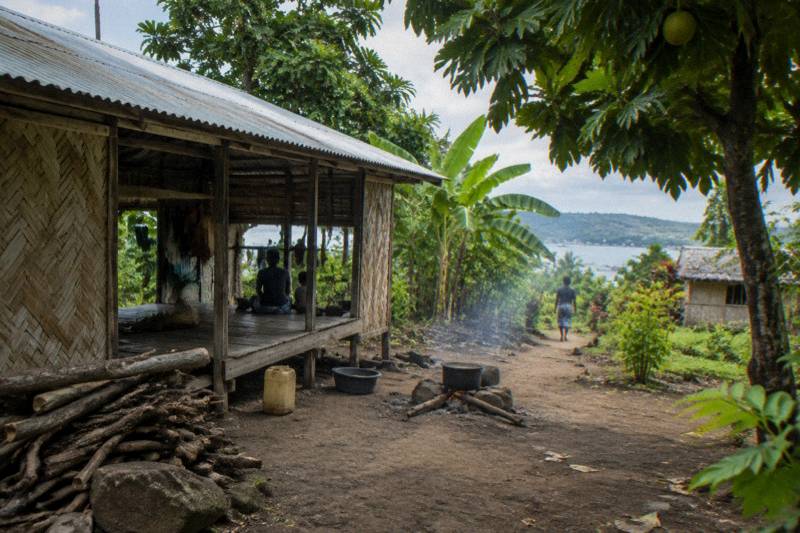
When Not To Go To Vanuatu?
Cyclone season, wet months and busy port days: the honest answer to when not to go to Vanuatu, with long-term climate averages and what it means for day tours.
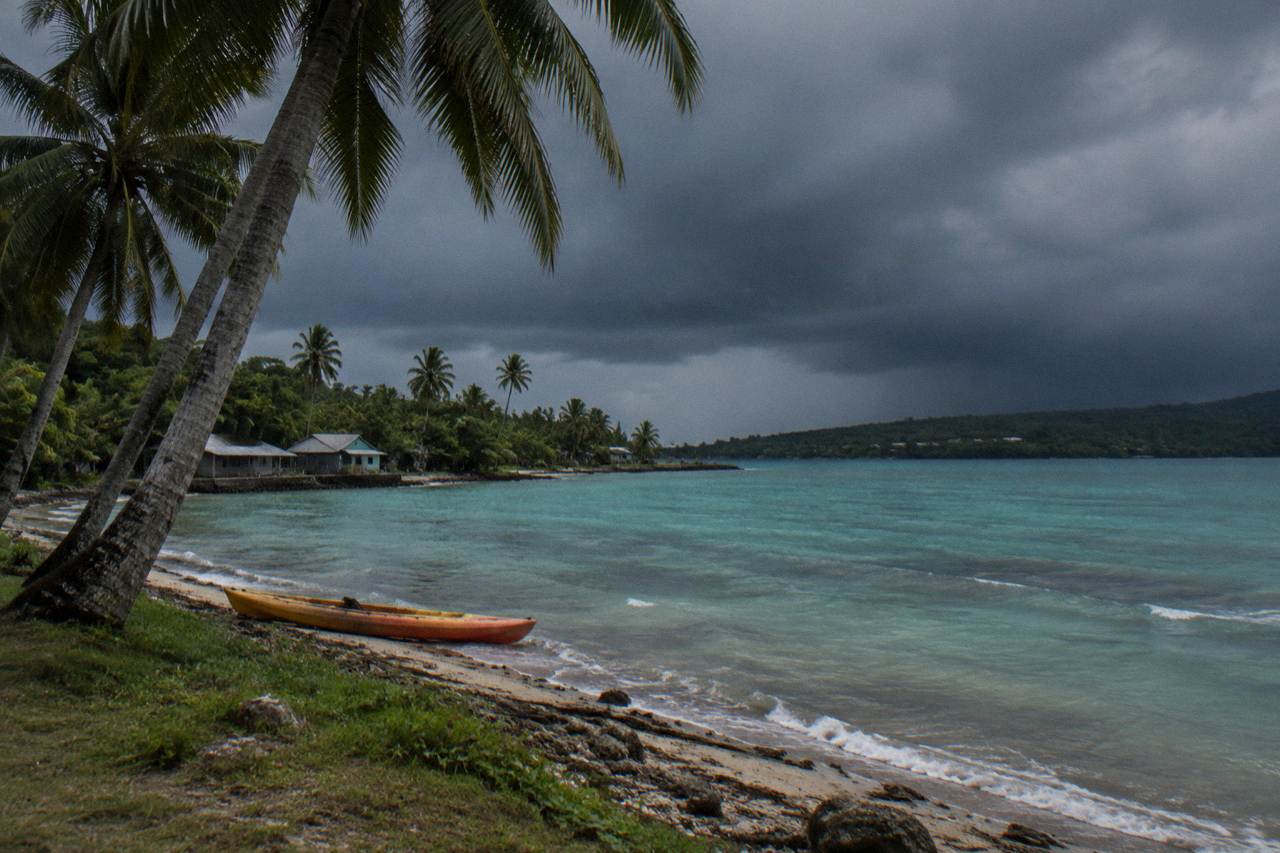
When Not To Go To Vanuatu?
The main window to avoid is the cyclone season from November to April, with January to March the wettest, most humid and most disruptive stretch of the year. On long-term Port Vila averages, March counts roughly 18 rain days against about 8 in September. Vanuatu rarely closes for the season, though, and most listed day tours keep running with free cancellation up to 24 hours before start. Weather aside, the practical guide to staying safe in Vanuatu covers the other things worth watching for, from health notices to road conditions.
The question deserves a direct answer rather than a hedge, because the timing genuinely changes what your trip looks like. Vanuatu sits in the South Pacific cyclone belt, and the national disaster office runs a colour-coded cyclone alert system through the warm months. The Vanuatu Meteorology and Geo-hazards Department issues a seasonal outlook each year; the statement for the 2025/26 season expected 2 to 4 tropical cyclones in the Vanuatu region, assessed as normal to slightly above normal against a long-term average of 2 to 3. That kind of forecast is an example of how the season is sized up, not a promise about any single month you might book. If seasonal timing is only part of your planning, our guide to Vanuatu travel safety right now covers what advisories, volcano alerts and tour cancellation terms mean for your booking.
It is worth being clear about what "not going" actually means here. A cyclone does not form every week of the season, and plenty of November or April trips run perfectly. The real trade-offs are statistical: more rain, more humidity, more chance a tour operator reschedules or a domestic flight slips a day, and warmer nights that make sleep harder without air conditioning. Travellers who accept those odds are often rewarded with greener landscapes and quieter sites. Travellers who want reliability, especially on a short stay, should weight the calendar heavily.
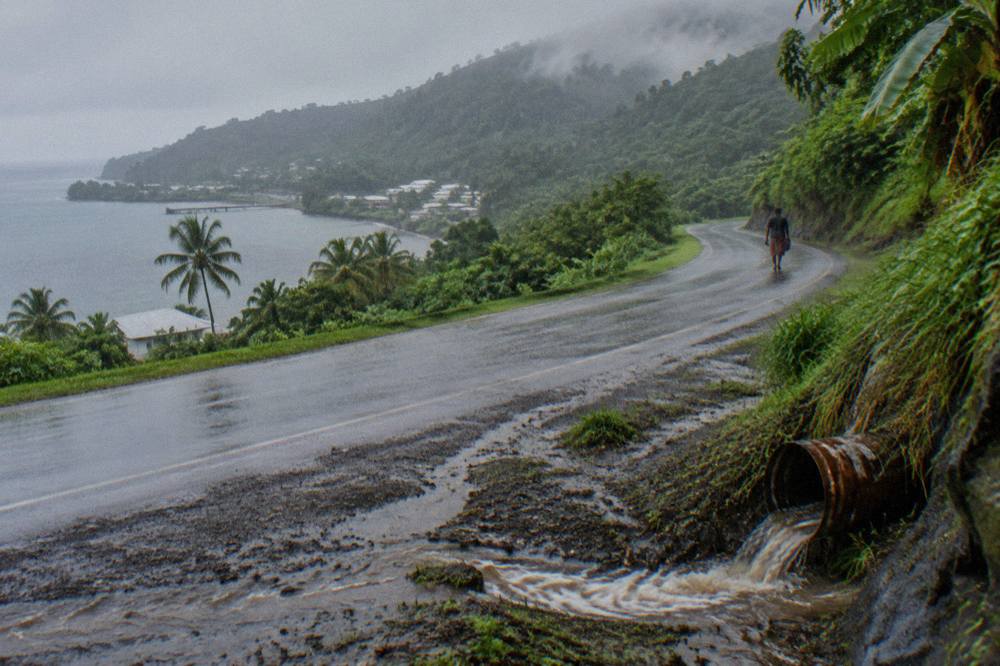
For a practical read on which tours hold up best when the forecast turns, these three cover the spread: a full-day island loop with lunch, a sailing and snorkelling cruise, and a guided volcano afternoon on Tanna.
What Is Cyclone Season In Vanuatu?
Cyclone season runs from November to April, and the national disaster management office operates a colour-coded alert system throughout it. Tropical storms and cyclones can occasionally occur outside that window too, so the season is a raised risk, not a fence. The 2025/26 national outlook expected 2 to 4 cyclones in the region with at least one reaching category 3 or higher, which is how the season is typically framed each year.
The Vanuatu National Disaster Management Office publishes alerts and preparedness guidance at ndmo.gov.vu, and it is the authority worth watching if you are travelling between November and April. A cyclone watch or warning changes everything fast: domestic flights suspend, inter-island boats stop, and tours cancel, usually with little drama because operators in Vanuatu have done this many times. Every listing on our roster carries free cancellation up to 24 hours before start, which matters more in these months than any other time of year.
The practical pattern we see in the listings is that operators make day-by-day calls rather than seasonal ones. The seven-hour Efate Island Full-Day Tour, the sailing day cruise out of Port Havannah and the Tanna volcano afternoons all run year-round on paper, but a named system approaching Efate or Tanna will pause them for a day or two. Build a slack day into any green-season itinerary and the disruption mostly dissolves into a bonus rest day.
If a flexible, weather-proof day matters to you, this is the tour we would point at first.
Which Months Bring The Most Rain In Port Vila?
March is the wettest month in the long-term Port Vila record, averaging roughly 18 rain days a month, with January close behind at about 15. The driest stretch is July to September, when long-term rain-day counts fall to roughly 8 to 10 per month. These are 1961 to 1990 baseline averages, not a forecast for any specific year.
Those figures come from long-term station averages for Bauerfield, the Port Vila international airport site, tabulated by the Deutscher Wetterdienst. They describe a clear shape: a wet, humid peak from January to March, a shoulder in April and May, and a pronounced dry season from June to September before the rains rebuild in November and December. Any single year will wobble around these numbers, but the shape holds.
| Month | Mean high (C) | Mean low (C) | Rain days |
|---|---|---|---|
| January | 31.3 | 22.5 | 15.4 |
| February | 31.2 | 23.0 | 16.6 |
| March | 30.8 | 22.6 | 18.5 |
| April | 29.9 | 22.0 | 17.1 |
| May | 28.8 | 20.2 | 12.9 |
| June | 27.4 | 19.8 | 11.3 |
| July | 26.4 | 18.2 | 10.3 |
| August | 27.0 | 18.0 | 9.8 |
| September | 27.7 | 18.4 | 8.1 |
| October | 28.5 | 19.6 | 8.4 |
| November | 29.2 | 20.7 | 12.1 |
| December | 30.7 | 21.7 | 13.2 |
Read the table as a planning tool rather than a verdict. February looks slightly drier than its neighbours on total rainfall but actually has more rain days, which is the metric that interrupts a day tour more often. October is a quiet favourite among repeat visitors: the rain-day count is still near its annual floor, and the heat has not yet rebuilt to summer levels.
Vanuatu Tourism describes the local seasons plainly: the November to March "summer" averages about 28C and runs hotter, wetter and more humid, while the April to September "winter" averages about 23C. If you want the deeper planning picture across the whole year, our best time to visit Vanuatu guide works through it month by month.
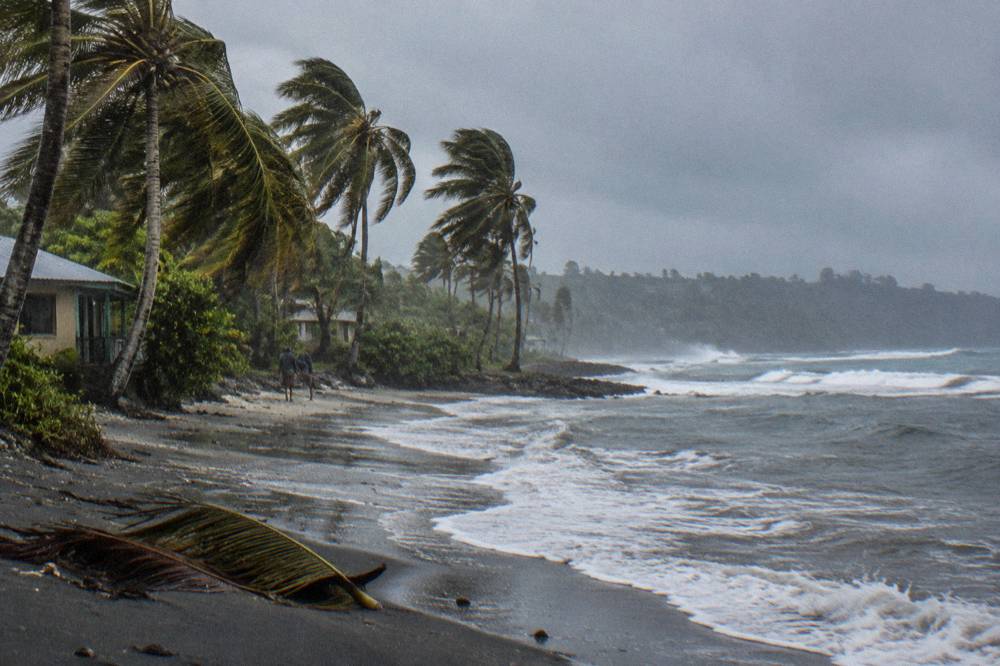
Is Vanuatu Too Hot Or Humid In Summer?
The November to March summer averages about 28C and runs noticeably hotter, wetter and more humid than the rest of the year, with long-term Port Vila highs around 31C in January and lows near 22 to 23C. Whether that is "too hot" depends on you: it is manageable for most people, but it is the wrong window for hard physical days such as the 10-hour Nguna Island hike and snorkel adventure.
Humidity is the part of the equation the temperature table understates. A humid tropical afternoon saps energy in a way a dry heat does not, and it is exactly when the long tours start to feel long. The roster's most demanding product, the 10-hour Nguna hike and snorkel day, is the clearest example: a full day of walking and swimming in tropical summer conditions is a genuinely different proposition from the same day in July. Shorter options, like the 3-hour Rarru Cascades waterfall and kava tour, are much easier to slot around the heat of midday.
Families with small children and older travellers should treat the summer months as a morning-activity destination and plan pool or shade time for the early afternoon. Water-based tours handle the heat best of all. The Major Tom sailing day cruise, rated 4.9 from 230 reviews, spends 5 to 7 hours on the water with lunch included, and a guest review on the listing calls it "loads of fun, great snorkeling spots, plenty of delicious food." On a humid February day, that format beats a bus loop comfortably.
The counter-argument deserves a hearing too. Summer is when the islands are at their greenest, waterfalls run harder, and the crowd pressure drops. If you are choosing between a humid March week in Port Vila and no Vanuatu trip at all, take the March week, plan around midday, and lean on the water tours.
When Do Tours Get Cancelled In Vanuatu?
Cancellations cluster around named weather systems and heavy-rain days rather than whole months, and the most exposed products are the ones that depend on open water, roads or the volcano. Every listing on our roster offers free cancellation up to 24 hours before start, so the financial risk of a green-season booking is low. The practical risk is losing the day itself, which is why a buffer day matters.
Different tour types fail in different weather. Sailing and snorkelling cruises such as the Major Tom day trip depend on sea conditions in Port Havannah, on Efate's north coast, and rough swell will postpone them. Island-hopping days such as the small-group Lelepa Island snorkel and BBQ trip or the Moso Island cultural day need boat crossings, so they share the same exposure. Road-based loops like the 8-hour scenic round-island tour and the 6-hour Real Vanuatu experience with lunch can run in light rain but will pause for flooding or landslide risk, and a medium-risk alert for the Klems Hill section after landslide damage is a live example of how road conditions, not just sky conditions, drive the call.
The volcano tours sit in their own category. Mt Yasur on Tanna is monitored by the Vanuatu Meteorology and Geo-hazards Department, which currently lists the volcano at Alert Level 2, Major Unrest, on a scale of 0 to 5. Access is managed locally with licensed guides and can close as activity rises, entirely independent of the weather. The private afternoon volcano tour, rated 4.9 from 8 reviews, is the format most people book, and a guest review describes walking "right on the rim of the volcano." No operator can promise activity on any given day, and safety framing always follows the alert level rather than the calendar.
| Tour type | Weather exposure | Typical disruption |
|---|---|---|
| Sailing and snorkel cruises | Wind, swell, sea state | Postponed to next suitable day |
| Island crossings by boat | Sea state on open water | Rescheduled or refunded |
| Round-island road loops | Flooding, landslide risk on ring road | Rerouted or paused for the day |
| Volcano tours on Tanna | Alert level, access rules, plus weather | Access can close as activity rises |
| Short cultural and food tours | Heavy rain mainly | Usually run, indoor stops added |
The pattern worth internalising is that short, close-to-town tours are the most weather-resilient. The Port Vila food tour with cultural lunch and kava tasting, rated 5.0 from 5 reviews, runs across town venues rather than open water, and the jungle zipline with transfers, rated 4.8 from 201 reviews, operates in a forest setting where light rain is normal. One guest review of the zipline calls it "so much fun" for a family straight off a cruise ship. If your trip falls in the wet months, holding a slot on a resilient tour and a flexible water tour gives you the best of both.
A sailing day is the booking most worth holding anyway, because the operator will simply move it if the swell is up.
Are There Health Or Safety Times To Avoid Vanuatu?
There is no month when Vanuatu is off-limits on health grounds, but advice pages currently note a dengue outbreak in south Efate and a pertussis outbreak declared in September 2025 on several islands including Tanna and Efate. Dengue risk rises with the wet, warm months when mosquitoes breed, so the November to April window carries a somewhat higher practical risk. Check current health advice before you fly.
The honest framing is hedged by design. Smartraveller and New Zealand SafeTravel both advise normal safety precautions for Vanuatu, and both currently note the dengue and pertussis outbreaks; the Smartraveller page is the one to read closer to your dates. For dengue, the practical defences are repellent, covered clothing at dawn and dusk, and choosing accommodation with screens or air conditioning, which doubles as a summer-night comfort measure. For pertussis, the advice is a booster if your last dose was more than 10 years ago, or 5 years for higher-risk travellers.
On general safety, the advice pages describe robberies and opportunistic theft occurring mainly in Port Vila after dark, with crime generally low but rising around holidays. That is a street-smart note rather than a reason to avoid the country, and it applies year-round. The seasonal angle is real but modest: the same warm, wet months that bring mosquitoes also bring festive-season crowds to town in late December, which is when the petty-theft note becomes most relevant.
None of this argues for cancelling a green-season trip. It argues for packing repellent alongside the sunscreen, keeping evenings in Port Vila oriented toward lit, busy areas, and reading the advisory pages in the week before departure rather than the month before.
When Is Port Vila Busiest With Cruise Ships?
Port Vila is busiest with cruise passengers across the dry-season and shoulder months, when multiple ships can call in a single week and the town's markets, cafes and popular short tours fill up quickly. The cruise traffic management plan in place since visits resumed in August 2025 shapes how those days run. If crowds are your deterrent, the calendar to avoid is roughly June to September on port days, not the wet season.
This is the counter-intuitive part of the "when not to go" question: the months with the best weather are also the months with the most ships. Reporting from the Vanuatu Business Tourism Council says Port Vila cruise tendering has been running from a temporary seafront tender point since the December 2024 earthquake damaged the main wharf, with 2026 calls confirmed, so write that arrangement down as reported rather than permanent. Wharf Road itself reopened to traffic in early June 2026, with authorities warning drivers not to stop or park along the route.
For tour planning, a port day changes two things: availability and atmosphere. The short, cruise-friendly products, the half-day Blue Lagoon and Eden on the River trip, the zipline with transfers, the round-island loops with lunch, sell out first when a big ship is in. A guest review of the round-island trip notes "there were no real crowds" on her day, which is the experience you are hoping to replicate. Booking a day tour for a non-port day, or a departure early in the morning before tenders land, preserves both space and calm. Our Port Vila shore excursions guide works through the port-day logistics in detail, and the what to do in Port Vila from a cruise ship article covers the same question for passengers.
The quiet paradox is that a wet-season week with no ships in port can feel more relaxed than a dry-season one with three calls in five days. If your priority is uncrowded markets and half-empty lagoons, the green season delivers exactly that, with a rain jacket attached.
So When Is The Best Time To Go Instead?
The most reliable window is the dry season from June to September, when long-term Port Vila rain-day counts sit near their annual floor of roughly 8 to 10 a month and daytime highs hold in the mid to high 20s. October and May are strong shoulder picks with fewer crowds and still-modest rain. This is the flip side of everything above, and it is where most first-time visitors land.
Within that window, small differences matter. July and August are the coolest and driest months in the long-term record, but they are also peak season for arrivals, so tours and accommodation book further ahead. September keeps almost all of the dry weather while easing the crowd pressure, and October adds warmth without yet adding the November rain rebuild. May sits on the other shoulder: slightly wetter than the dry months, noticeably quieter, and green from the tail of the wet season.
| Window | Rain days (long-term) | Trade-off |
|---|---|---|
| June to September | About 8 to 11 a month | Most reliable, busiest, coolest |
| May or October | About 8 to 13 a month | Good weather, fewer crowds |
| November or April | About 12 to 17 a month | Green season edges, cyclone season open |
| December to March | About 13 to 19 a month | Wettest, most humid, highest disruption risk |
Whatever month you choose, the tour that anchors most first visits is the Efate Island full-day tour with lunch, a 7-hour loop rated 4.6 from 46 reviews with hotel pickup and free cancellation up to 24 hours before start. It is the listing we would hold in any season, because it samples beaches, villages and viewpoints in a single day and reschedules cleanly if a weather day interrupts it. Pair it with a water day and a culture day and you have a full week without repeating yourself.
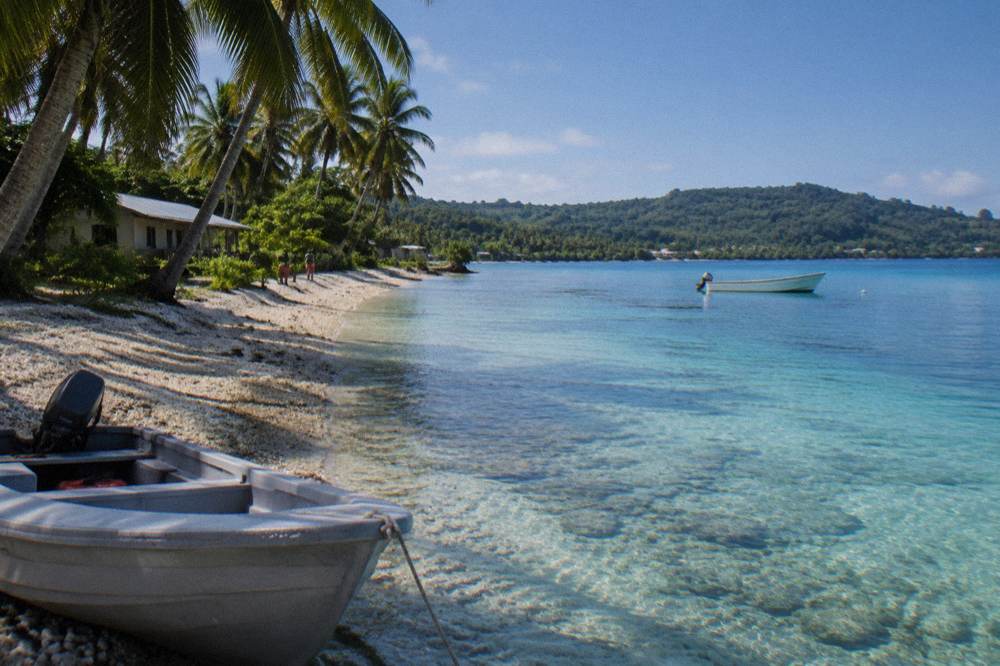
And if the calendar forces you into the wet months, do not treat it as a lost cause. This site, Vanuatu Day Tours, exists partly because the islands reward visitors in every season; the green months simply ask for a different plan. For rainy-day specifics, our what to do in Vanuatu when it rains guide lists the options that keep working in a downpour.
A forest-based activity is one of the best wet-month holds, since light rain is normal operating weather under the canopy.
Common Questions About When Not To Go To Vanuatu
When Not To Go To Vanuatu?
Avoid the cyclone season from November to April if reliability matters, and especially the January to March stretch, which carries the highest long-term rainfall, the most humidity and the greatest chance of tour or flight disruption. June to September is the most dependable window.
What Is The Wettest Month In Port Vila?
March, on the long-term 1961 to 1990 averages for the Port Vila airport station, counting roughly 18 rain days in the month. January is close behind at about 15.
Do Tours Run In Cyclone Season?
Yes, most tours run through the November to April window, making day-by-day calls as weather systems approach. Every listing on our roster offers free cancellation up to 24 hours before start, so a green-season booking carries low financial risk.
Is Vanuatu Safe Outside Cyclone Season?
Advice pages for Australia and New Zealand both advise normal safety precautions for Vanuatu. They currently note a dengue outbreak in south Efate and a pertussis outbreak declared on several islands, plus opportunistic theft mainly in Port Vila after dark, so read the advisory pages close to your travel dates.
Which Months Are Quietest For Crowds?
The wet months of January to March are the quietest for visitor numbers and cruise traffic, which is the trade-off for the weather risk. In the dry season, September and October ease the peak-season crowds of July and August while keeping most of the good weather.
Can Mt Yasur Close At Any Time Of Year?
Yes. Access to Mt Yasur is managed locally with licensed guides and depends on the VMGD alert level, which currently sits at Level 2, Major Unrest, rather than on the tourist season. Access can close as volcanic activity rises, so check the VMGD page before booking a Tanna trip.