What Is Vanuatu Most Famous For?
Vanuatu is famous for Mount Yasur, one of the world's most accessible active volcanoes, plus blue holes, Champagne Beach, the SS President Coolidge wreck and living village culture. Here is what each one is, and how to see it.
What Is Vanuatu Most Famous For?
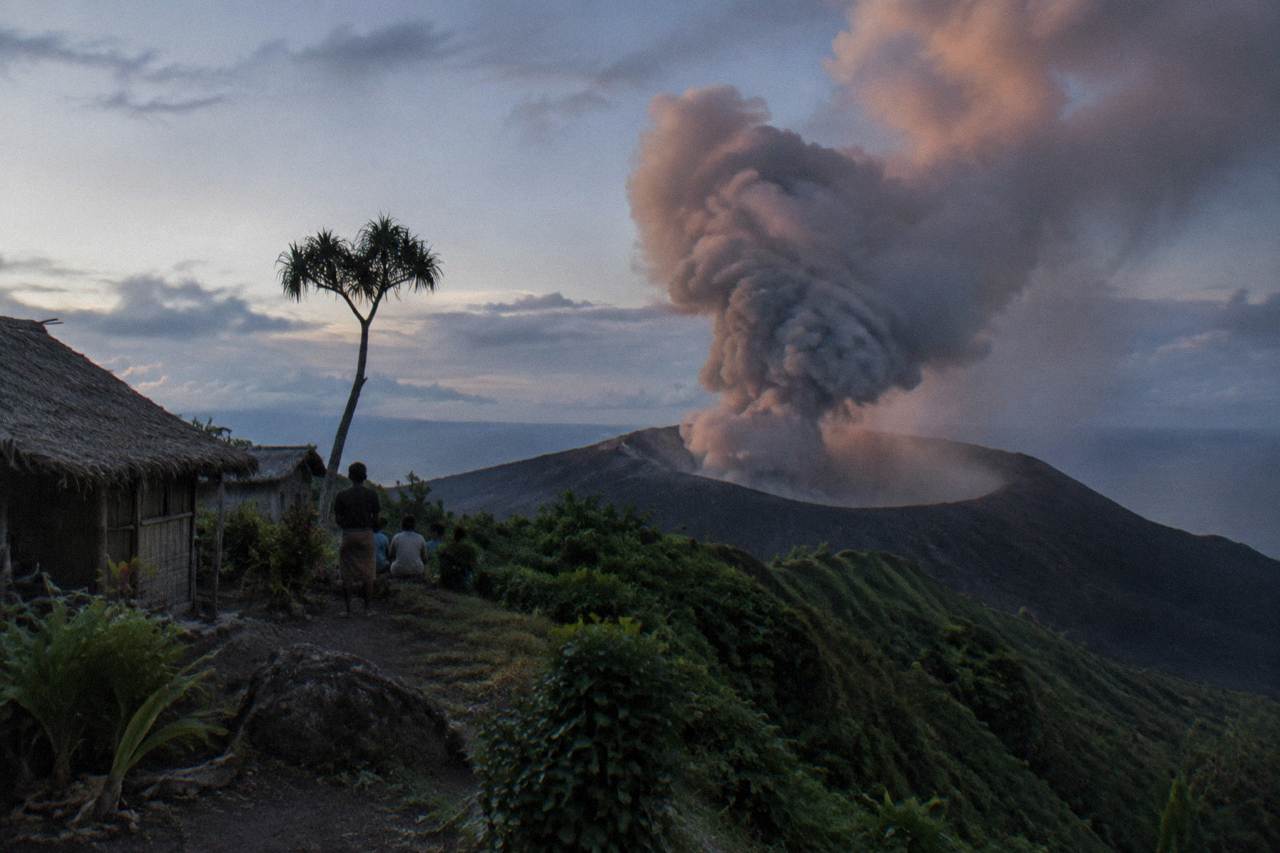
Vanuatu is most famous for Mount Yasur, an active volcano on Tanna Island that has been in near-continuous eruption since 1774 and is one of the few in the world visitors can walk to the rim of with a guide. Around that headline sit the blue holes and Champagne Beach of Espiritu Santo, the SS President Coolidge wreck dive, and living Melanesian village culture, kava and custom across about 83 islands. If you're wondering whether the volcano is safe to see right now, our guide to Mount Yasur's current activity and alert level explains what it means for visitors.
That is the short answer, and it is an honest one. Vanuatu does not trade on resorts or nightlife the way some of its Pacific neighbours do. Its fame is built on geography and culture that cannot be moved or copied: a volcano that has been performing for over two centuries, freshwater springs that filter through limestone and turn an impossible blue, a wrecked luxury liner lying on its side in shallow water, and island communities that still run on custom, ceremony and kava. The national tourism office describes the country as a Y-shaped chain of about 83 islands, 14 of them major, spread across roughly 1,300 kilometres and organised into six provinces. That scale matters, because Vanuatu's famous sights are scattered across three different islands, and most visitors see only one of them on a short trip.
The practical shape of a Vanuatu trip follows the fame. Port Vila, the capital on Efate, is where the international flights land and where most day tours start. Tanna, a roughly 40 minute domestic flight to the south, holds the volcano. Espiritu Santo to the north, about 50 minutes by air, holds the blue holes, Champagne Beach and the Coolidge. A visitor with a week can do all three; a visitor with a day can still touch the famous Efate circuit of blue lagoon, turtle sanctuary and island villages. If Santo is where your time is tightest, the guide to visiting Champagne Beach from Luganville covers how to fit it in alongside the blue holes.
For anyone turning this list into an actual itinerary, three tours cover the three pillars of the country's reputation: the volcano and Blue Cave day on Tanna, the full-day Efate island tour from Port Vila, and the blue hole and Champagne Beach run on Santo.
Mount Yasur, The Accessible Volcano On Tanna
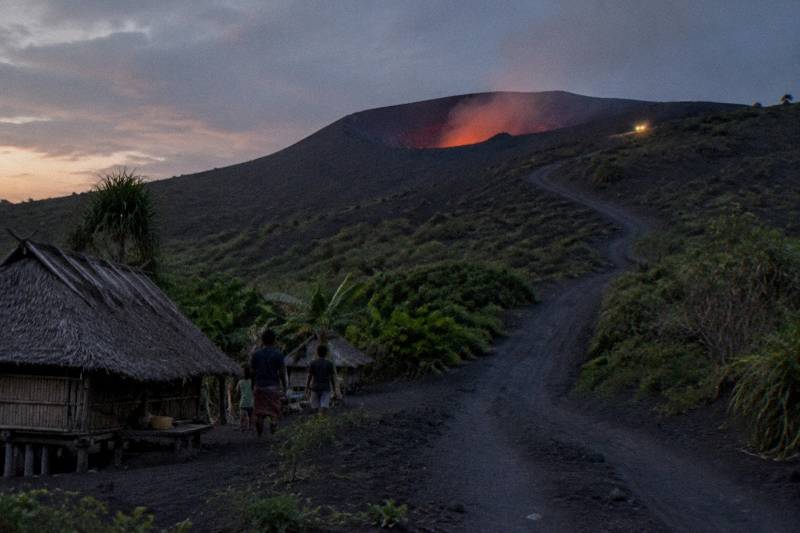
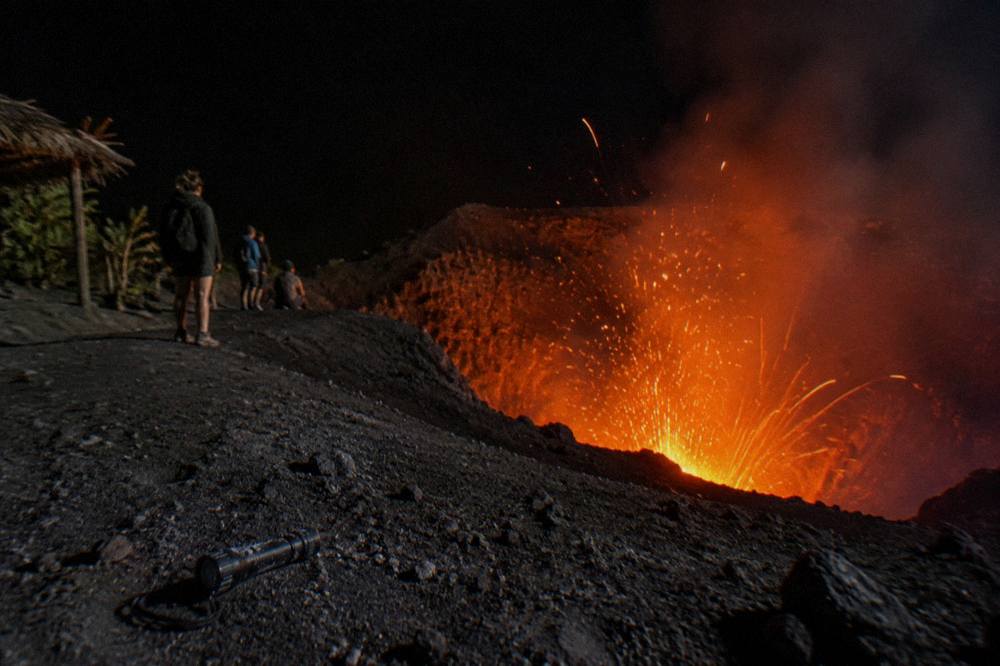
Mount Yasur is the single thing Vanuatu is most famous for: a 361 metre scoria cone on Tanna Island with a 400 metre summit crater that has been in near-continuous activity since 1774, making it one of the most accessible active volcanoes on Earth. Visits are guided only, and access can close when activity rises. The Vanuatu Meteorology and Geohazards Department currently lists Yasur at Alert Level 2, Major Unrest.
The volcano's fame is not hype. Captain James Cook observed its glow in 1774 while sailing past Tanna, and the mountain has been erupting in some form almost continuously ever since, a record few volcanoes anywhere match. The geohazards department notes its most recent significant eruption as the vulcanian explosions of late October 2021. What makes Yasur famous rather than merely active is the combination of reliability and access: it sits a short drive from Tanna's main town of Lenakel, the road up is managed, and visitors climb to a viewpoint on the crater rim with local guides. A guest on the afternoon volcano tour described it plainly: "Such a rush! Loved every moment. Great 4WD up the hill, then you walk right on the rim of the volcano. So special."
The safety framing matters and is worth getting right. The VMGD alert scale runs from 0 to 5, and Level 2, Major Unrest, means explosions can eject material beyond the crater. The department's page is the live source of truth, and the level can change quickly. The tourism office states that access is managed locally with licensed guides and that visits can be suspended when activity rises. No operator can promise an eruption, lava display or any particular level of activity on any given day, and any tour description that does should be read with suspicion. What a visitor is buying is the chance to stand at the rim of a genuinely active volcano under guide supervision, which is rare enough.
Tanna is easier to reach than most people expect. The flight from Port Vila takes about 40 minutes, and tours on the island pick up from Tanna hotels. The roster includes two volcano products: a private afternoon guided tour rated 4.9 from 8 reviews and running about 7 hours, and the full-day version that adds the Blue Cave, rated 4.5 from 8 reviews over 6 to 11 hours with lunch listed. Both carry free cancellation up to 24 hours before start, which matters for a volcano trip where weather and activity can shift plans. The full-day volcano and Blue Cave tour is the one that bundles the island's two headline sights, and its Check availability link shows the current price on the operator's live listing, alongside the full day tour page on Vanuatu Day Tours.
The Blue Holes And Champagne Beach Of Espiritu Santo
Espiritu Santo, Vanuatu's largest island, is famous for two things: freshwater blue holes, spring-fed sinkholes that glow an intense blue, and Champagne Beach, a white sand curve of a beach. Santo is also home to the SS President Coolidge wreck, one of the world's most famous shore dives. The island sits about 50 minutes by air from Port Vila.
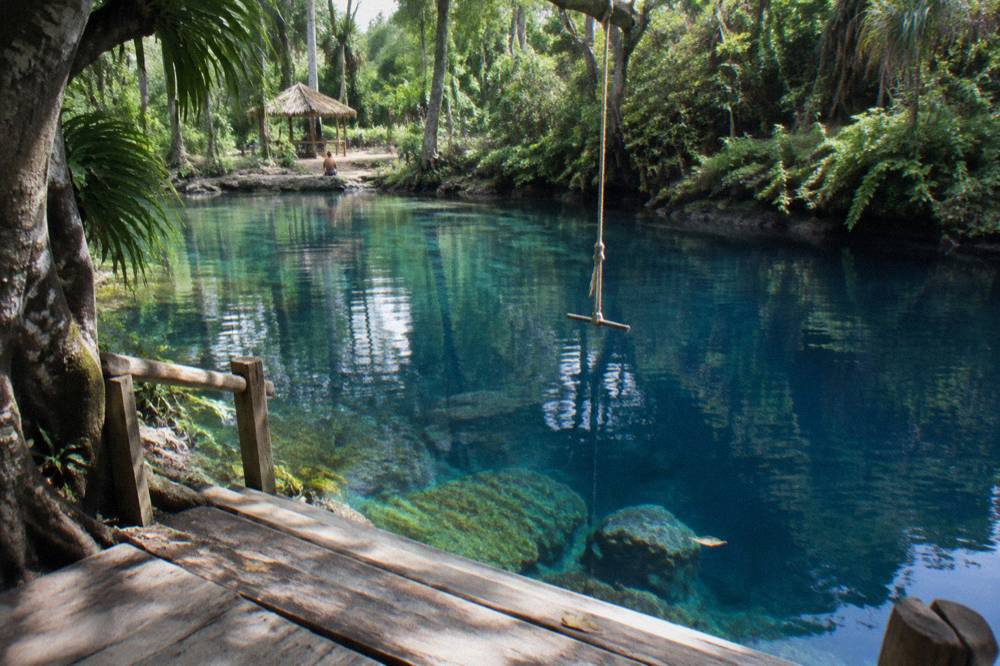
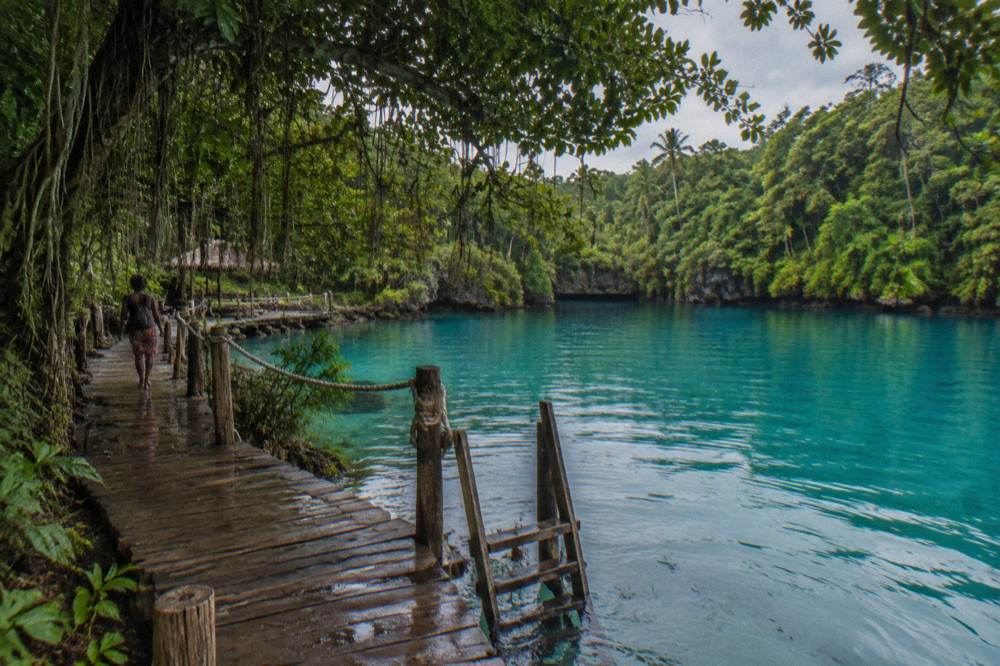
The blue holes are the quieter half of Santo's fame and, for many visitors, the more startling. Rainwater filters through limestone and emerges in inland pools coloured a blue that photographs look edited. Matevulu Blue Hole, the best known, sits about 15 minutes' drive from Luganville, the island's main town, per Air Vanuatu's own destination page. Rope swings hang from the trees and the water is cool and clear. No verified entry fee figure exists for the blue holes, and none is printed here; community fees are collected at some sites and vary, so carry vatu and ask locally or check with your tour operator.
Champagne Beach is the postcard. A horseshoe of white sand on Santo's east coast, it takes its name from the fizz of bubbles that rises through the sand in places at low tide. Repairs to the beach jetty were reported in 2025 in order to bring cruise ships back to the bay, which tells you something about its standing: it is the signature stop for ships calling at Santo. The combined blue hole, Champagne Beach and Port Olry tour on the roster runs 3.5 to 5.5 hours, rated 4.3 from 6 reviews, and picks up in Sanma Province, which is the practical way to cover both sights in one shore day or one excursion from Luganville.
The Coolidge deserves its own paragraph because it anchors Santo's diving reputation. The SS President Coolidge was a luxury ocean liner converted to a troopship during World War II, and while entering Luganville harbour as a troopship she struck friendly mines and sank, with the loss of only two lives. She now lies on her side from about 20 metres down, close enough to shore that divers walk in from the beach. She has been a protected site since a 1983 government declaration, with no artifact removal permitted, and operator pages describe certification-based access. The roster's two-hour wreck or shore dive product, rated 5.0 from 3 reviews, is the entry point, and a small review pool like that should be read as exactly what it is: three people's experiences, all enthusiastic. If the Coolidge has you weighing Vanuatu against its bigger neighbour, our Vanuatu versus Fiji diving comparison looks at how the two destinations actually stack up.
Efate, Blue Lagoon And The Round Island Day
Efate, the island holding the capital Port Vila, is famous as Vanuatu's gateway and for its round-island day: a circuit of blue lagoon swimming holes, turtle sanctuaries, waterfalls and village stops that can be done in a single day. The Blue Lagoon at Eton is the most photographed swimming spot on the island, and Hideaway Island's underwater post office is a global curiosity.
Most visitors meet Vanuatu through Efate, and the island has built a day-tour culture around its ring road. The Blue Lagoon is the centrepiece: a deep turquoise swimming hole ringed by jungle and rope swings, reached on nearly every round-island itinerary. A guest on the six-hour Real Vanuatu tour summed up the standard circuit: "Everything went like clockwork! Was a lovely day, friendly people and the blue lagoon was a lot of fun. The turtle sanctuary place excellent and really friendly staff." That tour, rated 4.5 from 181 reviews, is one of the most-reviewed products on the island and pairs the lagoon with a turtle sanctuary and cultural stops.
The turtle sanctuaries deserve a careful sentence. Vanuatu's turtles are wild animals, and the sanctuaries on Efate are habitat and conservation waters, not aquariums. No honest tour promises a turtle sighting; what the good ones offer is access to the waters where turtles live and feed, plus the local knowledge of the people who protect them. The same restraint applies to the underwater post office at Hideaway Island, a working postal outpost on the seafloor where divers post waterproof cards: it is famous precisely because it is odd, and it sits inside a marine sanctuary where fishing is not permitted.
The round-island options differ mainly in length and pace. The eight-hour scenic tour, rated 4.5 from 177 reviews, departs the Lapetasi International Wharf and covers the major sites with lunch. The Yumi Tours round-island trip, rated 4.8 from 116 reviews over 5 to 7 hours, runs a tighter loop with lunch at Top Rock; one guest called that lunch "brilliant". The seven-hour Efate full-day tour from Port Vila, rated 4.6 from 46 reviews, is the middle path. For cruise passengers with limited hours, the half-day Blue Lagoon and Eden on the River trip, rated 4.5 from 127 reviews over 3 to 4 hours, fits a port call.
Culture, Kava And Village Life In Vanuatu
Vanuatu is famous for living Melanesian culture: more than one hundred local languages, kava drunk nightly in nakamals, and custom villages where ceremonies, weaving and traditional knowledge are part of daily life rather than a performance. Kava, the mild sedative root drink shared across the Pacific, is the country's national ritual and Port Vila's evening social scene.
Culture is the part of Vanuatu's fame that resists a photograph. The country holds one of the highest language densities on Earth, with over one hundred vernacular languages spoken across the chain, and custom land tenure still governs most of the islands. Village visits on Efate tours typically include demonstrations of weaving, fire making, food preparation and kava, presented by the communities themselves. The three-hour Rarru Cascades, Waterfall and Kava tour, rated 5.0 from 53 reviews, is built around exactly this: a waterfall walk followed by kava and an unscripted talk on Vanuatu's history. One guest wrote that the guide "did a great job of telling history of Vanuatu, Kava, tribal life. She was worth the money just for the information and the humour she brought to the tour."
Kava itself deserves explanation for first-time visitors. It is a root pounded and strained into water, drunk in coconut shells, mildly numbing and relaxing rather than intoxicating. In Port Vila the nakamals, kava bars, fill after work and visitors are welcome to try a shell. The food tour with cultural lunch and kava tasting, rated 5.0 from 5 reviews over 7 hours, is the roster's guided route into both the markets and the nakamal, though that tiny review pool means the rating says little on its own. The Vanuatu Tourism Office notes that Port Vila's produce markets open every day except Sunday, and the two central handicraft markets, Port Vila Community Handicrafts behind Independence Park and Haos Blong Handikraft on the seafront, are where the woven work actually comes from.
For readers planning the cultural side of a trip in depth, the guides on things to do in Port Vila and things to do in Vanuatu break the options down by island and budget.
How Many Islands Make Up Vanuatu?
Vanuatu is made up of about 83 islands, 14 of them major, arranged in a Y shape roughly 1,300 kilometres long and divided into six provinces, per the Vanuatu Tourism Office. Only a handful of those islands, mainly Efate, Tanna and Espiritu Santo, carry the tourism infrastructure most visitors will touch.
The archipelago's geography explains both its fame and its logistics. The six provinces, from north to south, are Torba, Sanma, Penama, Malampa, Shefa and Tafea. Efate, in Shefa, holds the capital and the international airport. Tanna, in Tafea, holds the volcano. Espiritu Santo, in Sanma, holds the blue holes, the beach and the wreck. Everything else, from the Banks Islands to Ambrym's lava lakes to Pentecost's land diving, is famous in its own right among travellers with time, but it requires real planning and domestic flights or boat runs that move on island schedules, not visitor ones.
The three-island triangle is the practical answer for most trips. Port Vila to Tanna is about 40 minutes by air; Port Vila to Santo about 50 minutes. A traveller with five to seven days can do all three comfortably; a traveller with two or three days should pick one island and do it properly. The best time to visit Vanuatu guide covers the season question in detail, but the short version is that April to September is the drier, cooler window and cyclone season runs November to April.
Practical Ways To See The Famous Sights
The famous sights are best seen through guided day tours because they sit on three different islands and most involve village land, sanctuary waters or volcano access that is managed locally. Every tour on this site's roster includes pickup, and every one carries free cancellation up to 24 hours before start. Prices are on the live listings rather than printed here.
The table below maps each famous thing to the tours that reach it, using the roster's own stated durations and ratings.
| Famous For | Where | Tour | Duration | Rating |
|---|---|---|---|---|
| Mount Yasur volcano | Tanna | Private afternoon volcano tour | 7 hours | 4.9 from 8 reviews |
| Volcano plus Blue Cave | Tanna | Full-day Yasur and Blue Cave tour | 6 to 11 hours | 4.5 from 8 reviews |
| Blue holes and Champagne Beach | Espiritu Santo | Blue Hole, Champagne Beach, Port Olry tour | 3.5 to 5.5 hours | 4.3 from 6 reviews |
| SS President Coolidge wreck | Espiritu Santo | Wreck or shore dive | 2 hours | 5.0 from 3 reviews |
| Round-island circuit, lagoon, turtles | Efate | Full-day scenic island tour | 8 hours | 4.5 from 177 reviews |
| Round-island circuit with lunch | Efate | Yumi Tours round island trip | 5 to 7 hours | 4.8 from 116 reviews |
| Sailing, snorkelling, lunch | North Efate | Major Tom sailing cruise | 5 to 7 hours | 4.9 from 230 reviews |
Two patterns are worth noticing in that table. First, the Efate tours carry the deepest review pools, hundreds of reviews each, because Efate is where the volume is; the Tanna and Santo products run smaller pools of single digits, which reflects fewer visitors, not lower quality. Second, the sailing cruise is the outlier in kind: the Major Tom day out of Port Havannah, rated 4.9 from 230 reviews, is the water-based alternative to the island circuit, and a guest on it wrote of "loads of fun, great snorkeling spots, plenty of delicious food and great adventures sailing."
For cruise passengers, the port reality shapes everything. Reporting from the Vanuatu Business Tourism Council says Port Vila cruise tendering has been running from a temporary seafront tender point since the December 2024 earthquake damaged the main wharf, with 2026 calls confirmed, and a cruise traffic management plan has applied since visits resumed in August 2025. No hop-on hop-off service or dedicated cruise shuttle was identified in Port Vila sources, so a booked tour with a named pickup point is the dependable way to use a port day. The operator listings name the Lapetasi International Wharf and Wharf Road Pier as the Port Vila cruise pickup, and the Port Vila shore excursions guide covers the timing decisions in full.
Entry formalities are simple for most readers: citizens of Australia, New Zealand, the UK and the US do not need a visitor visa in advance per Vanuatu Immigration; carry a passport valid 6 months, a return ticket and accommodation details, and check immigration.gov.vu before flying. Cruise passengers follow the ship's documentation.
Common Questions About What Vanuatu Is Famous For
What Is Vanuatu Most Famous For?
Mount Yasur, the accessible active volcano on Tanna, is the country's signature sight, followed by Espiritu Santo's blue holes and Champagne Beach, the SS President Coolidge wreck dive, and living Melanesian culture including kava and custom villages across about 83 islands.
Is Mount Yasur still erupting?
Yasur has been in near-continuous activity since 1774, and the geohazards department currently lists it at Alert Level 2, Major Unrest, meaning explosions can eject material beyond the crater. Check the VMGD page for the live level; no tour can promise a specific display on any day.
Can you visit the volcano without a guide?
No. The tourism office states that Yasur visits are guided only, access is managed locally with licensed guides, and access can close when activity rises. The volcano tours on Tanna include the guided access.
What is the underwater post office?
A working post office on the seafloor off Hideaway Island near Port Vila, where divers and snorkellers post waterproof cards. It sits inside a marine sanctuary and is a regular stop on Hideaway Island tours.
How many days are enough in Vanuatu?
Two to three days covers Efate and its round-island day tours well. Five to seven days allows the three-island triangle of Efate, Tanna and Espiritu Santo, the three islands that hold most of what the country is famous for.
Do Aussies need a visa for Vanuatu?
No visitor visa in advance is needed for Australian citizens per Vanuatu Immigration. Carry a passport valid 6 months, a return ticket and accommodation details, and check immigration.gov.vu before flying.